Painting and drawing
Work

Painting and drawing

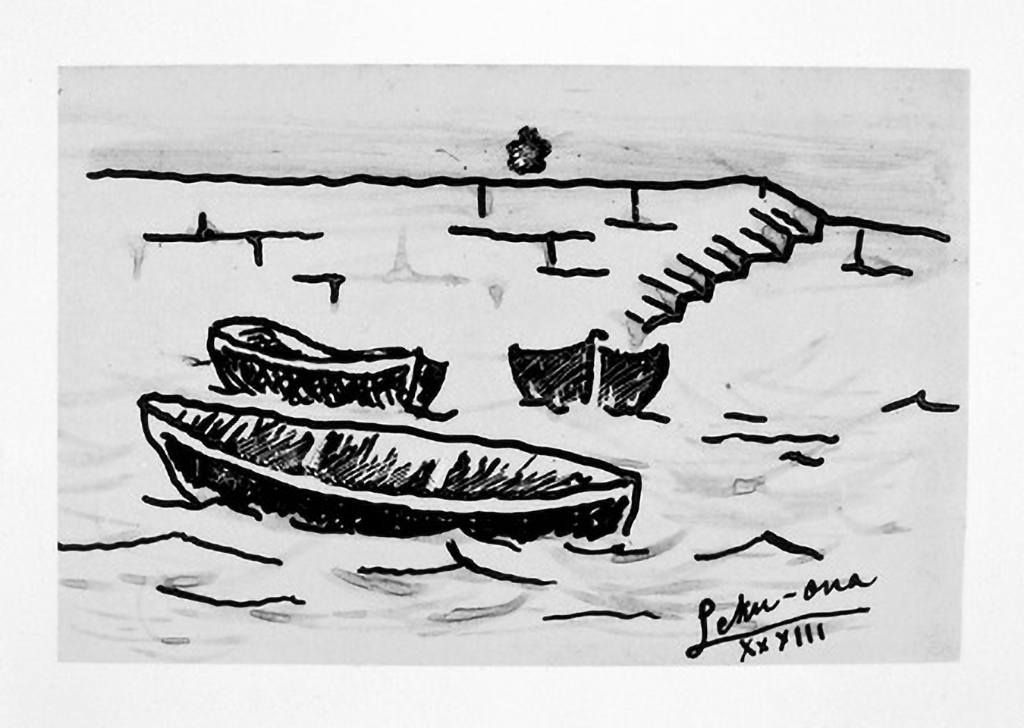
Nicolás’ work is distinguished not only by its quality but also by the way he experiments with several styles, methods or subjects. His work can be divided into: drawing, painting, and photography.

Drawing

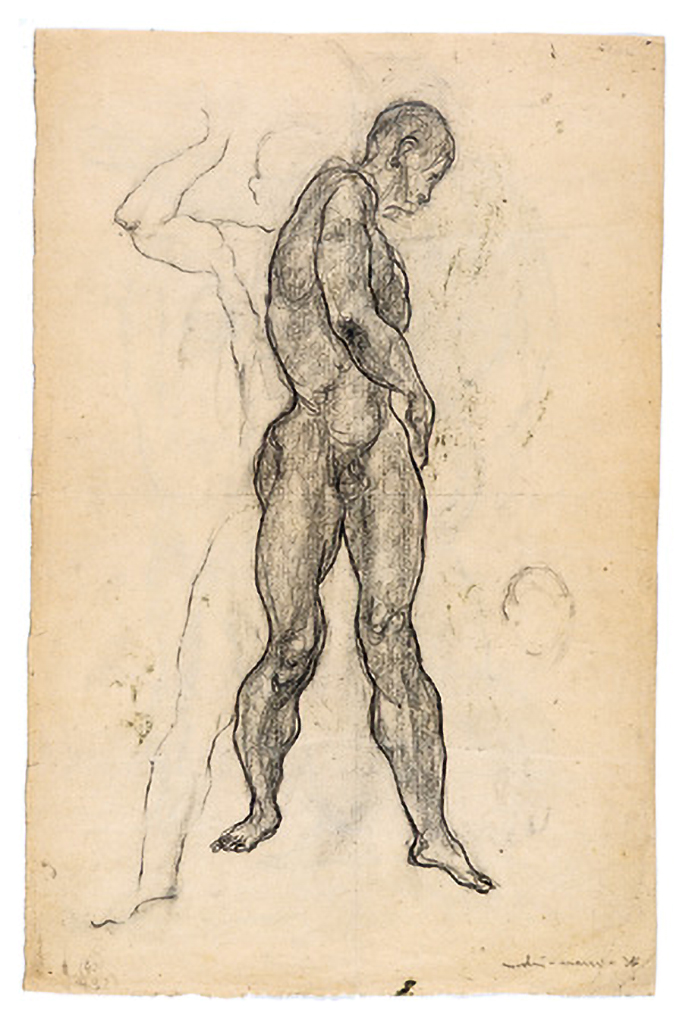
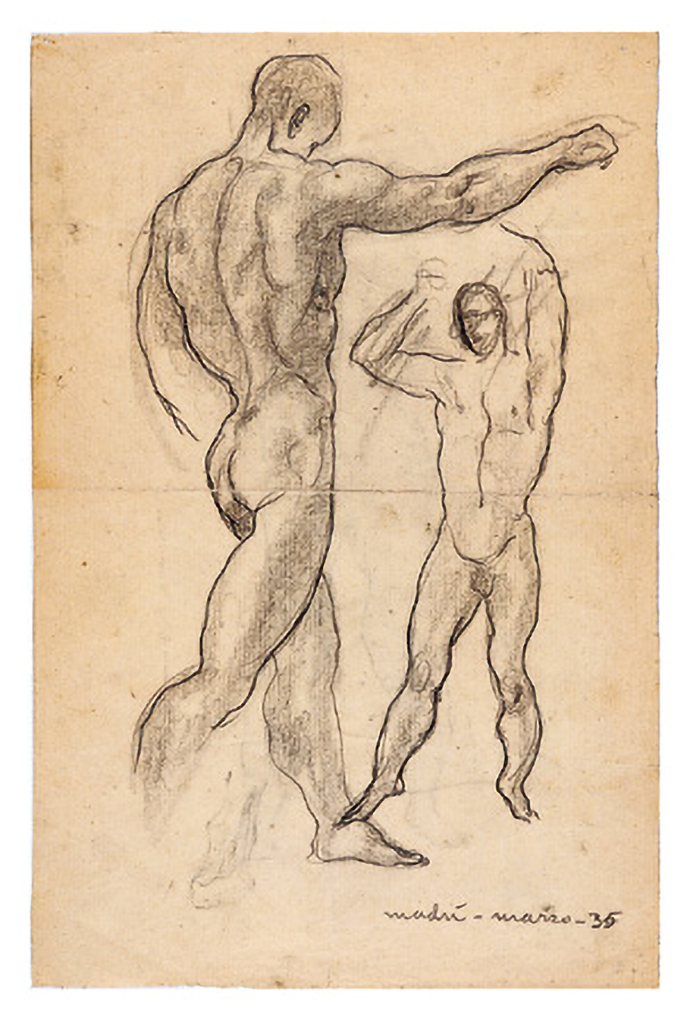
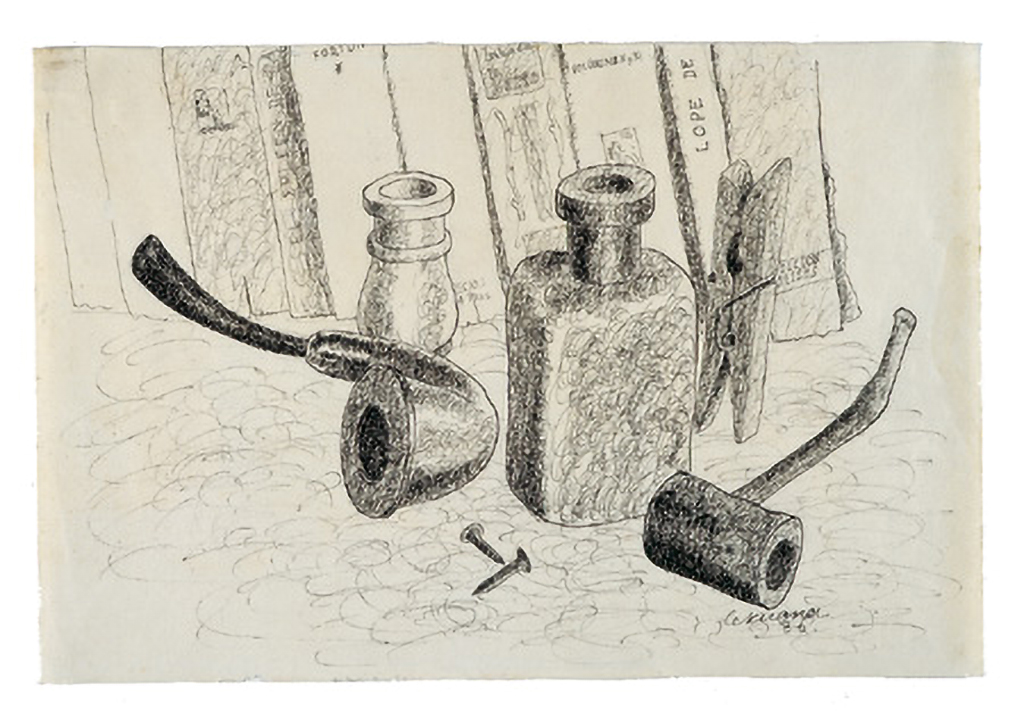
Nicolás was an architecture and design-oriented artist. Drawing is therefore an essential tool for his work, which gives us an insight into those ideas and projects that he could not fully develop due to his early death and makes it easier to understand his ideas and interests. Three main topics can be identified in his work: the industrial world, the human figure and still life.

The industrial world
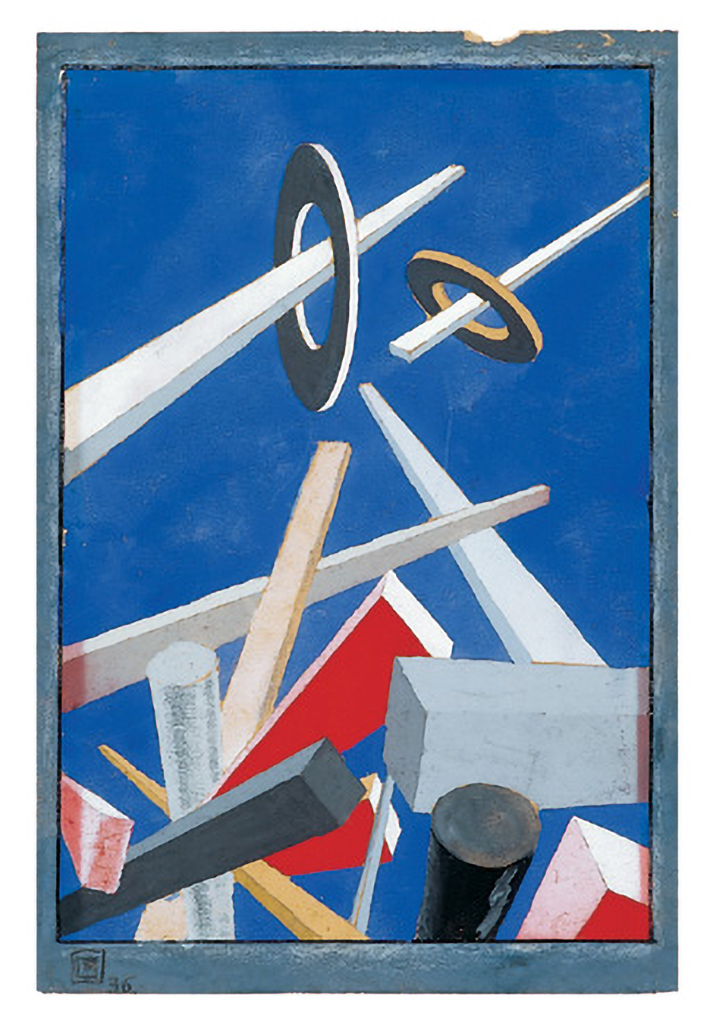
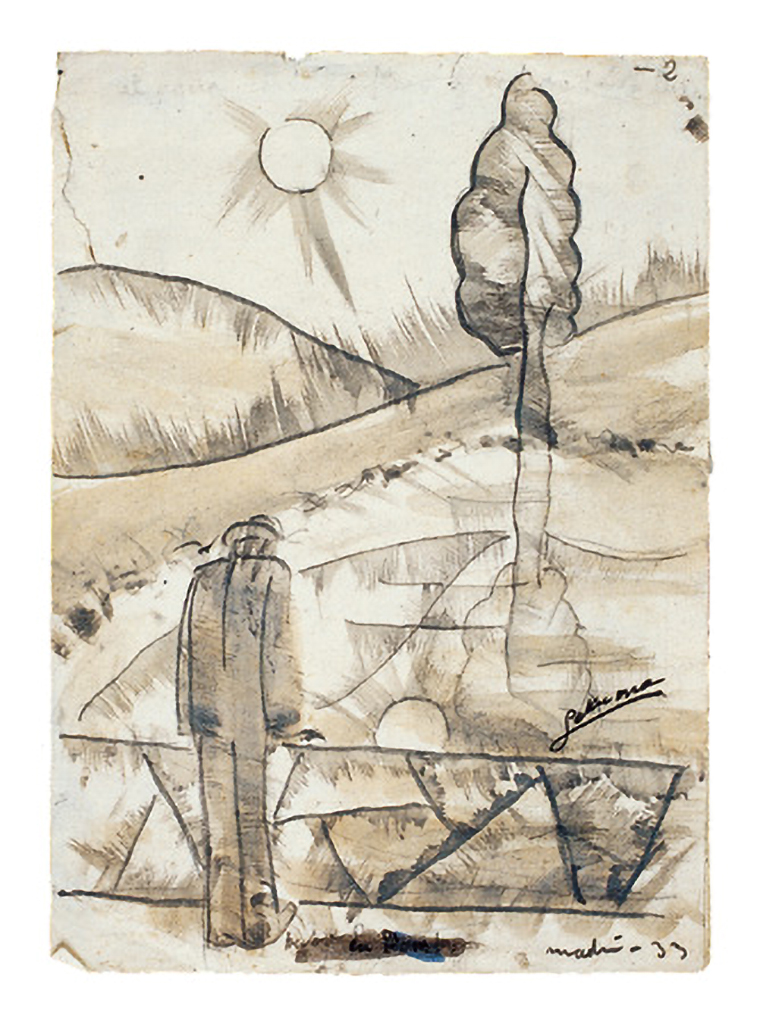
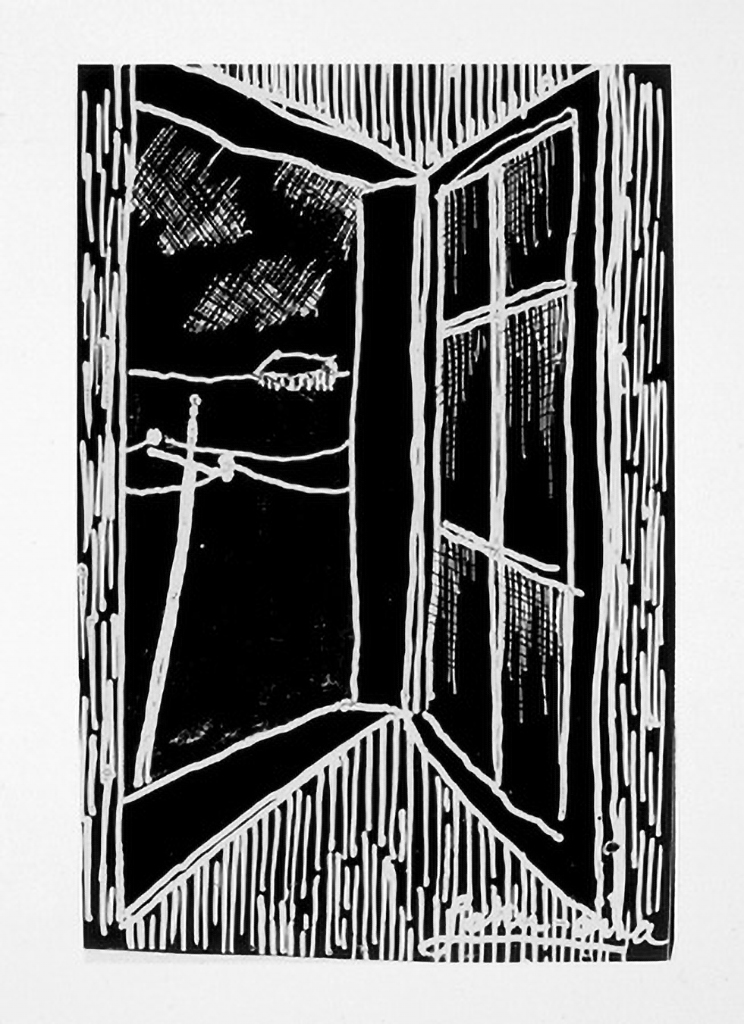
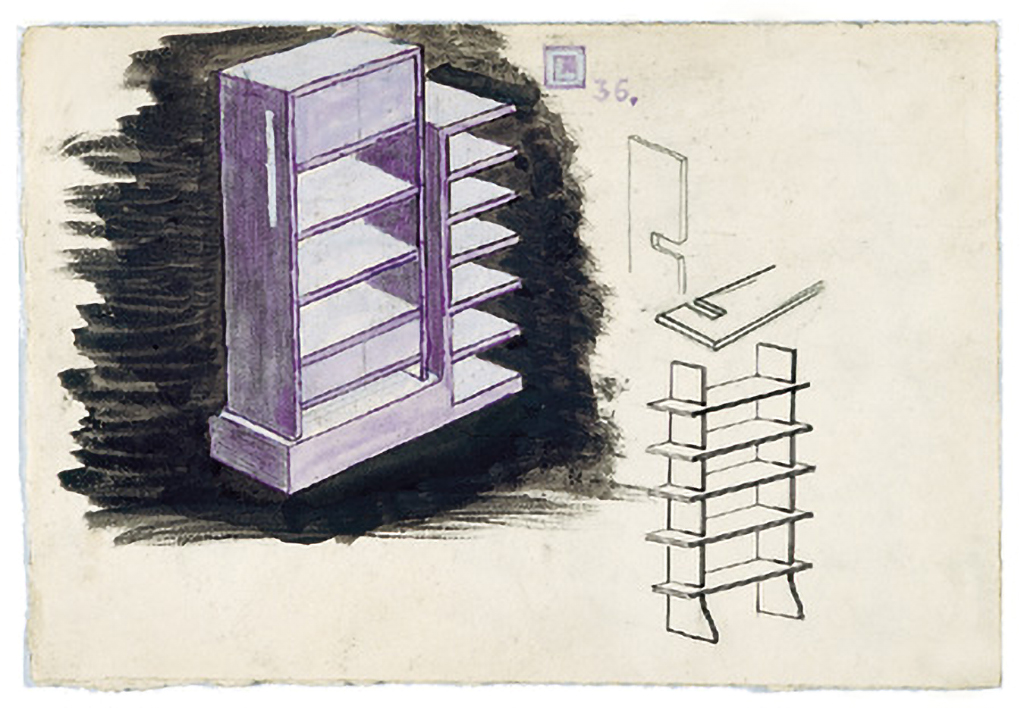
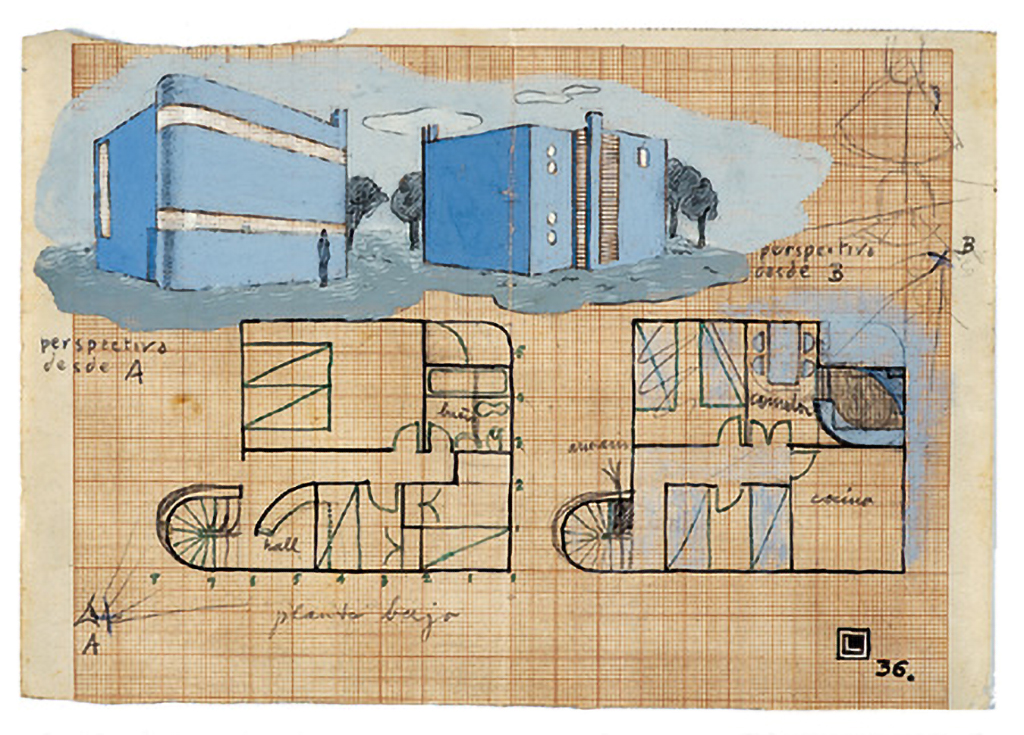
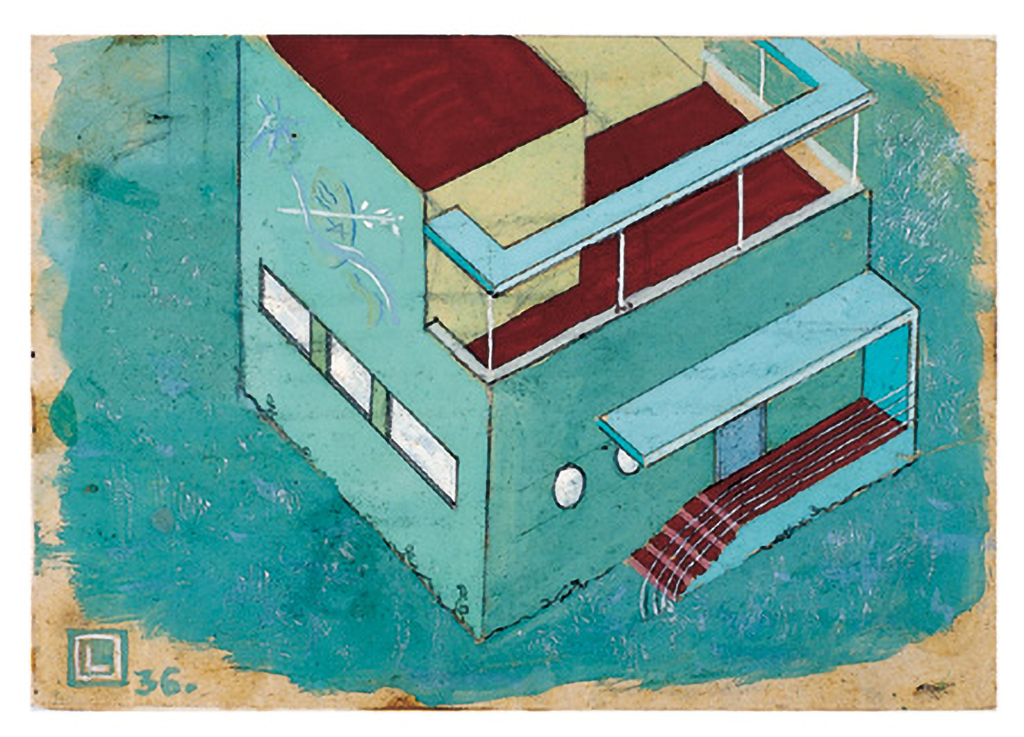
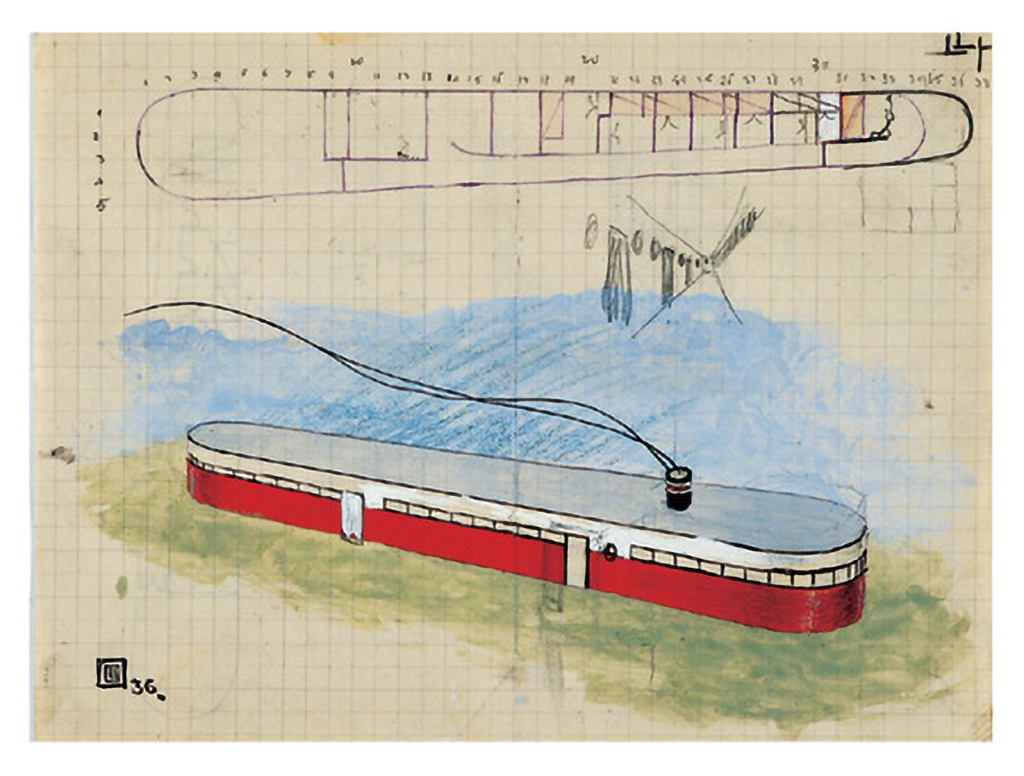
His industrial drawings are characterized by straight lines, flat inks and a focus on perspective studies. These compositions reflect a marked interest in functionalism and the absence of ornamentation, characteristics of the Bauhaus, whose influence is evident in his work.

The human figure
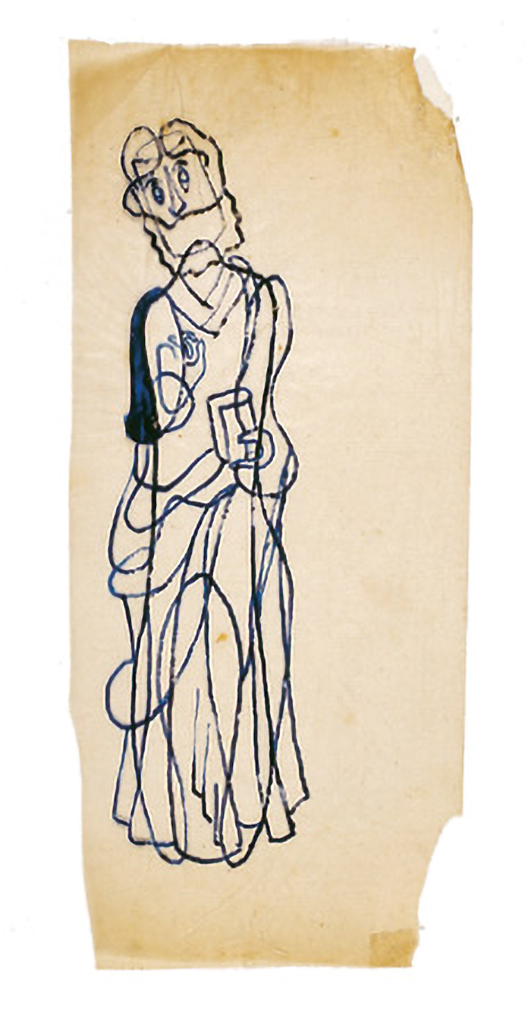
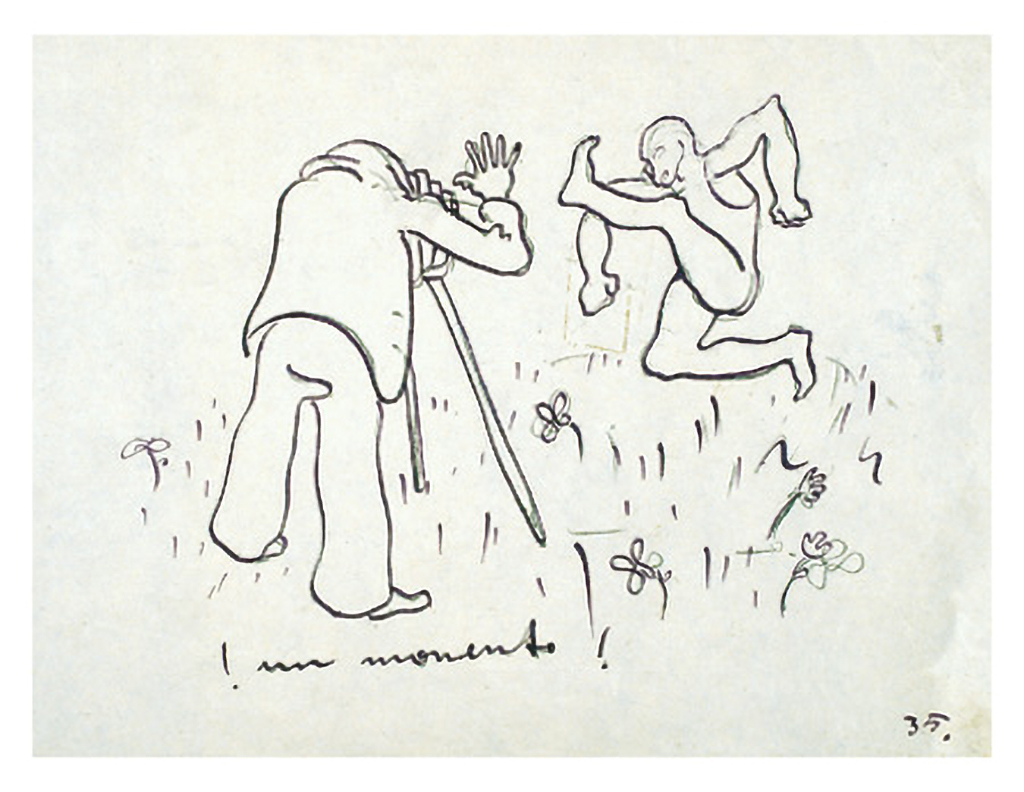
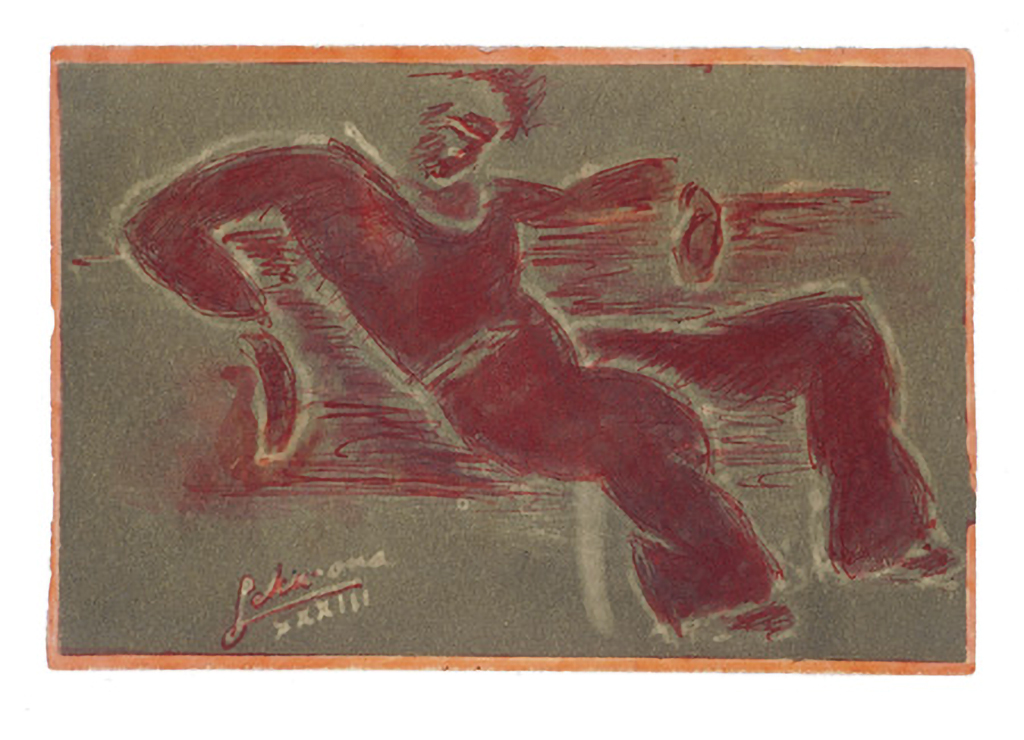
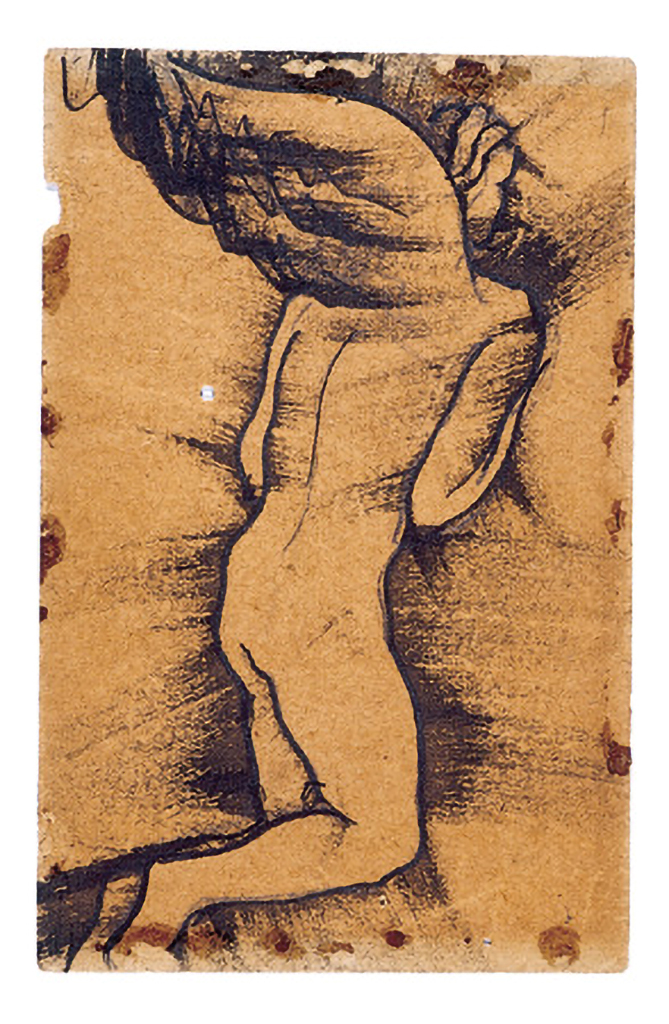
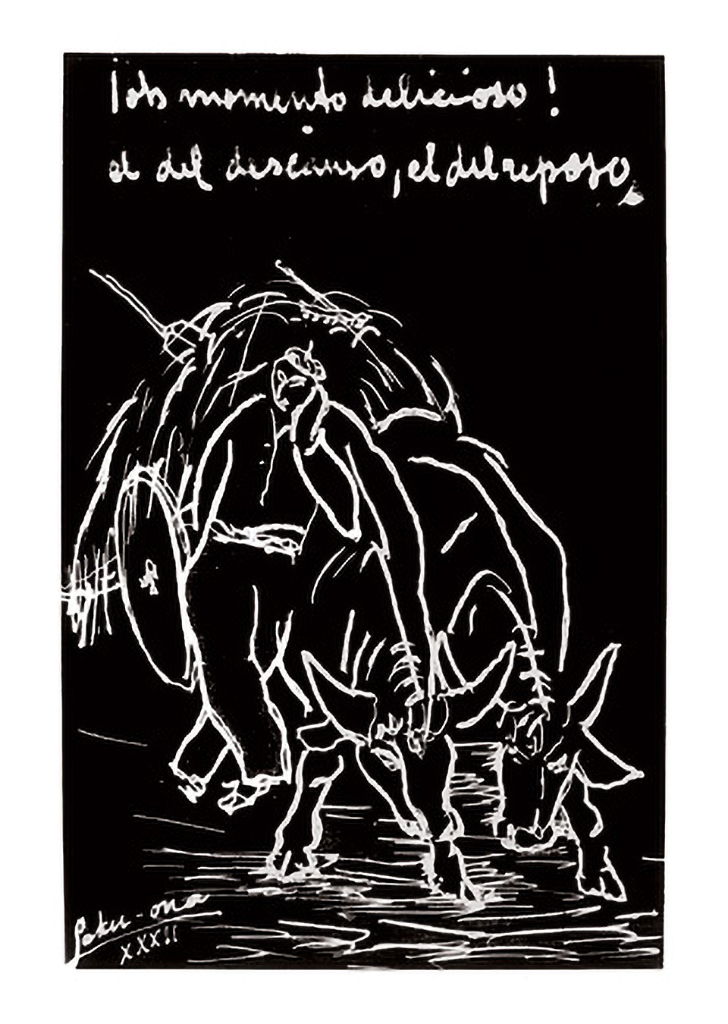
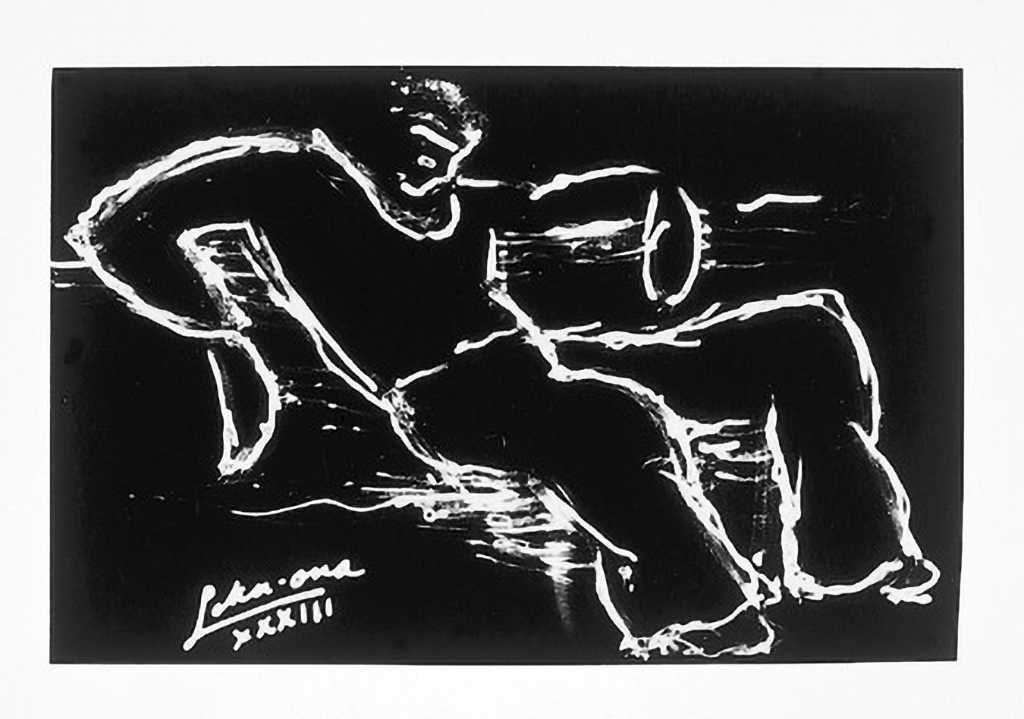
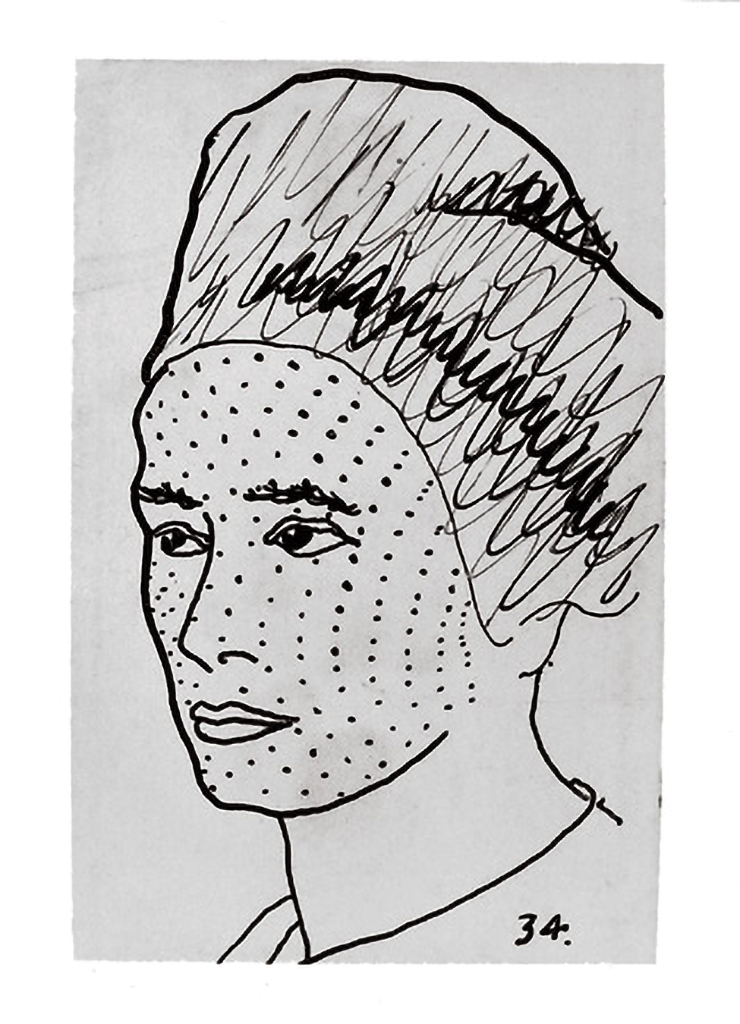
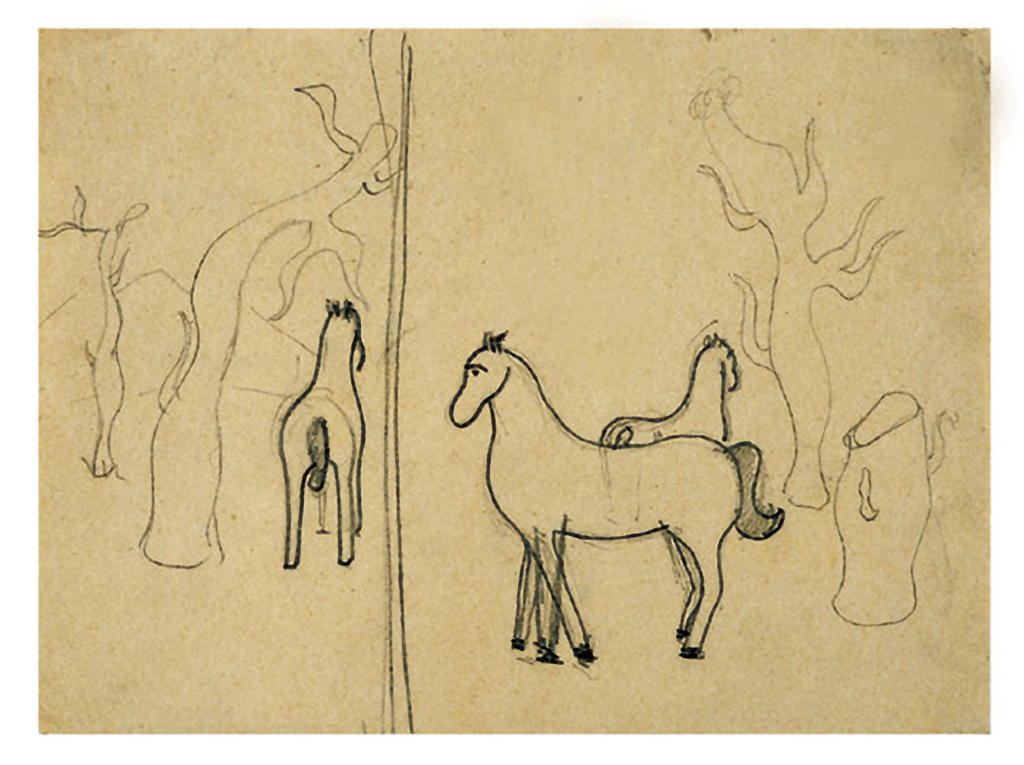
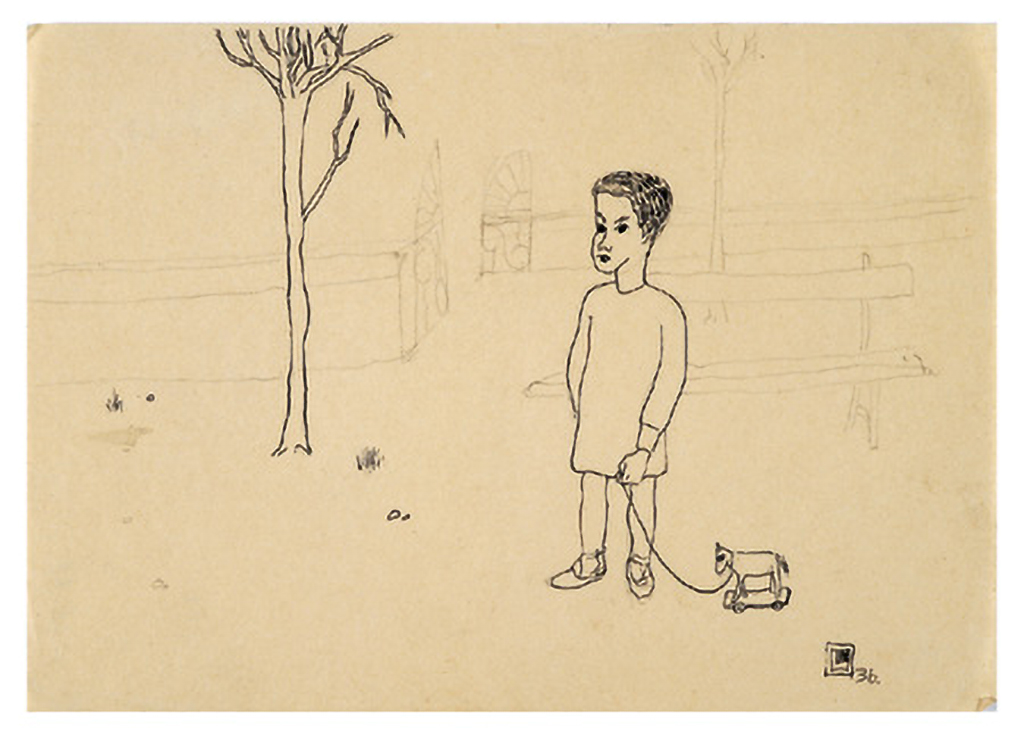
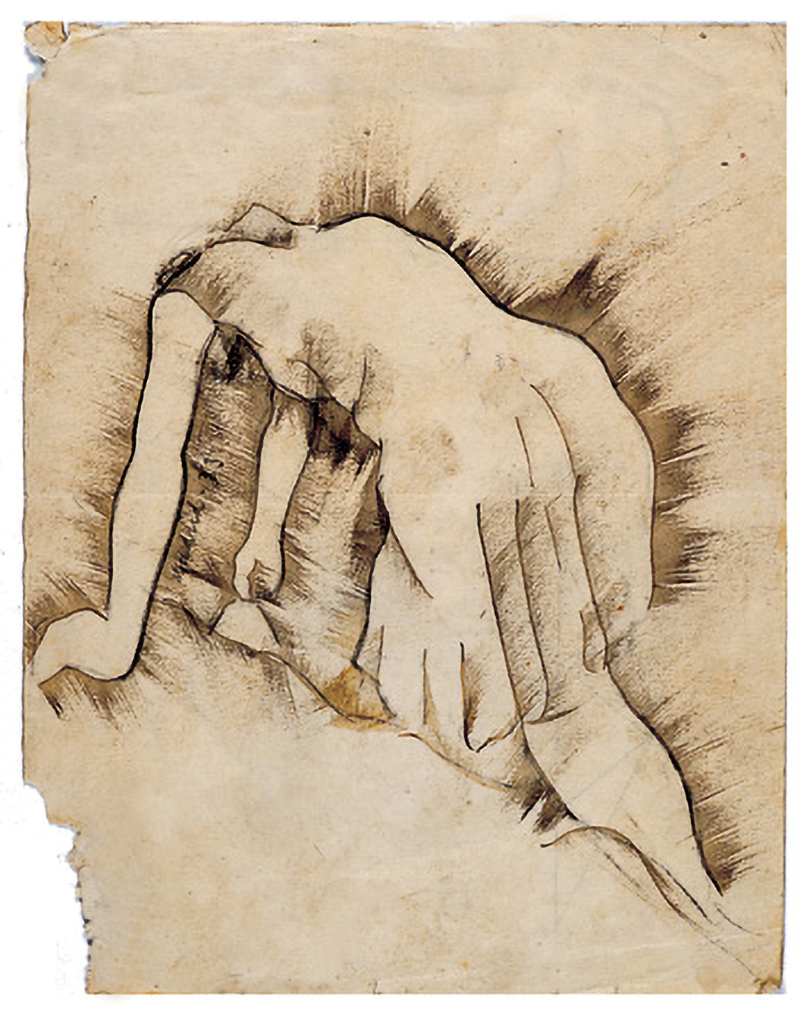
In this theme, spontaneity and speed of execution stand out. Nicolás sought to capture moments and situations directly, without retouching or artifice.
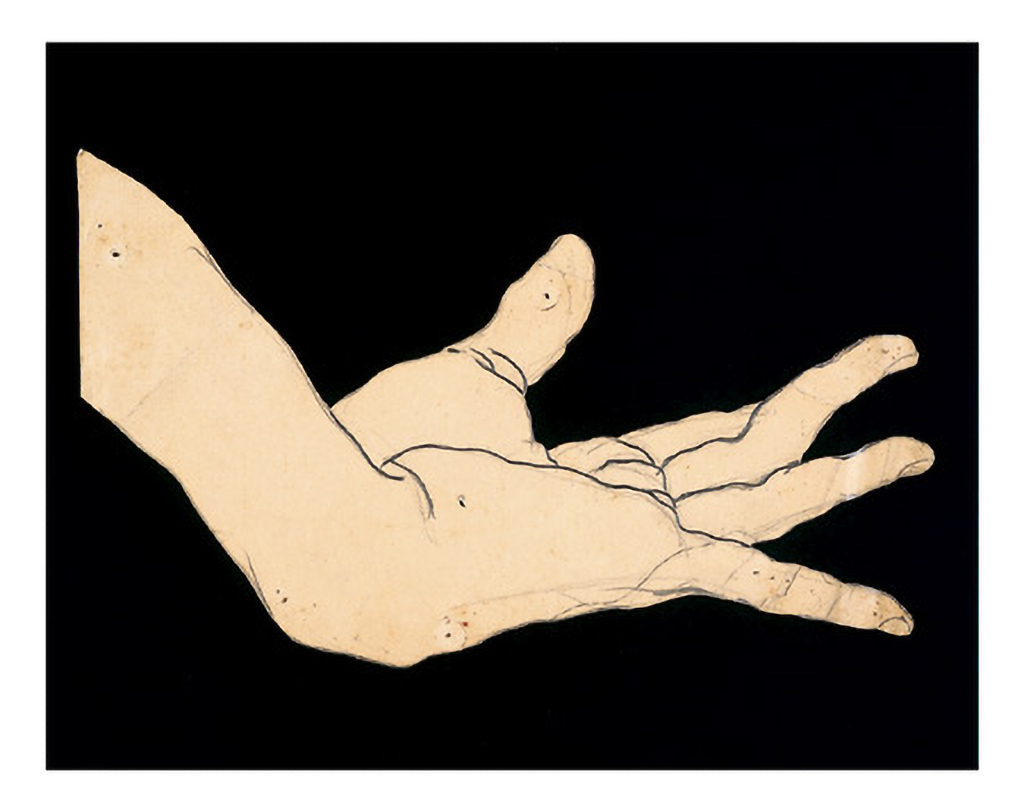
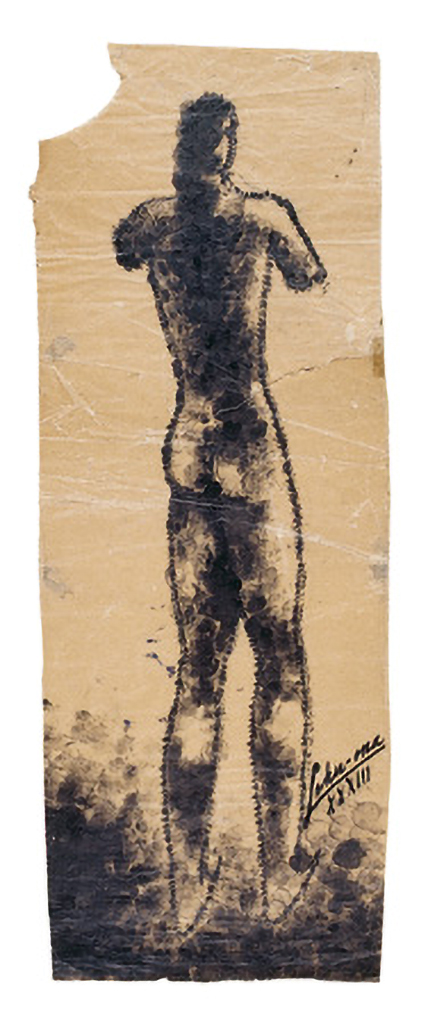
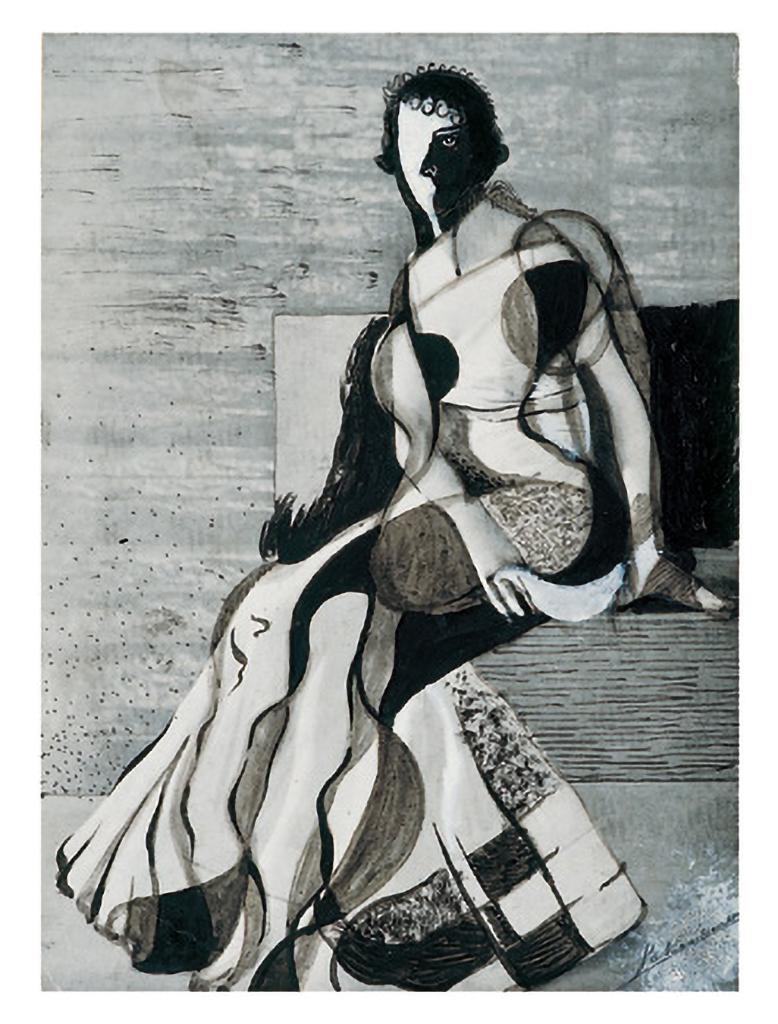
After an initial modernist stage marked by stylization and a fondness for curvy lines, he carried out anatomical studies of great soundness and expressiveness.
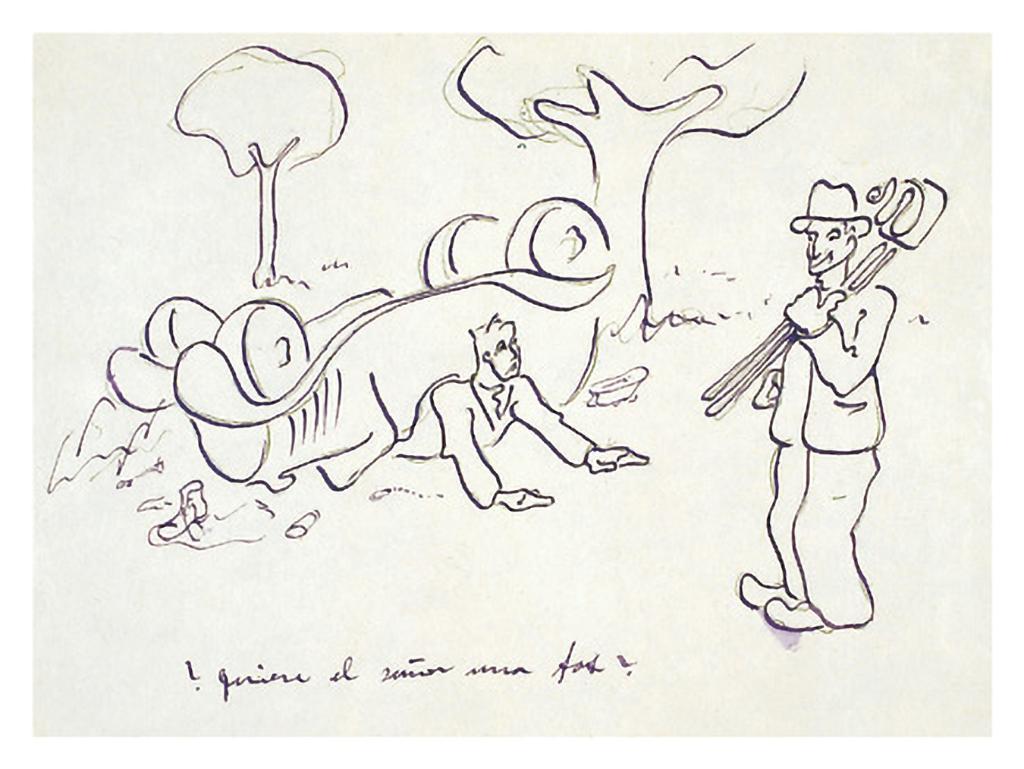
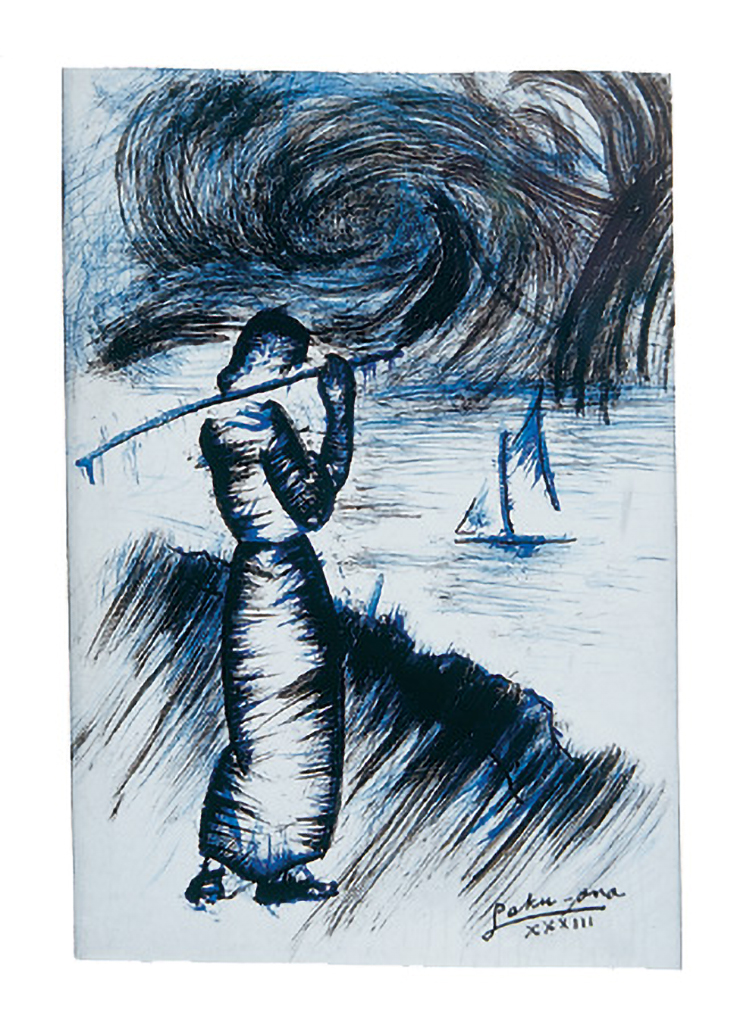
He also produces many illustrations, sometimes helped by ironic or even pessimistic and critical captions.
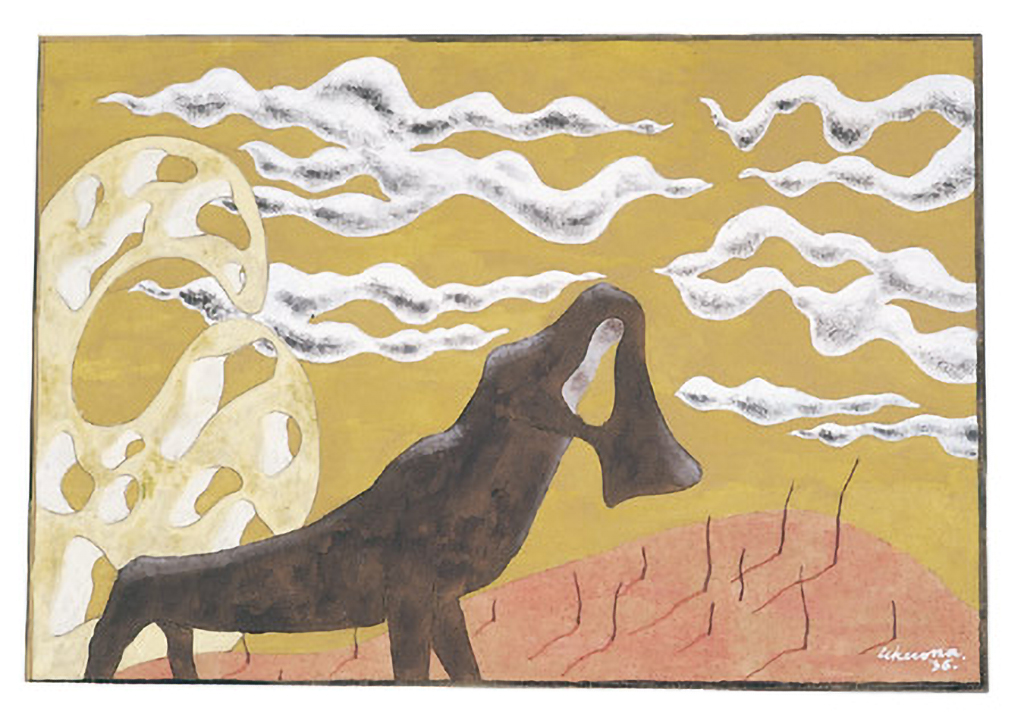
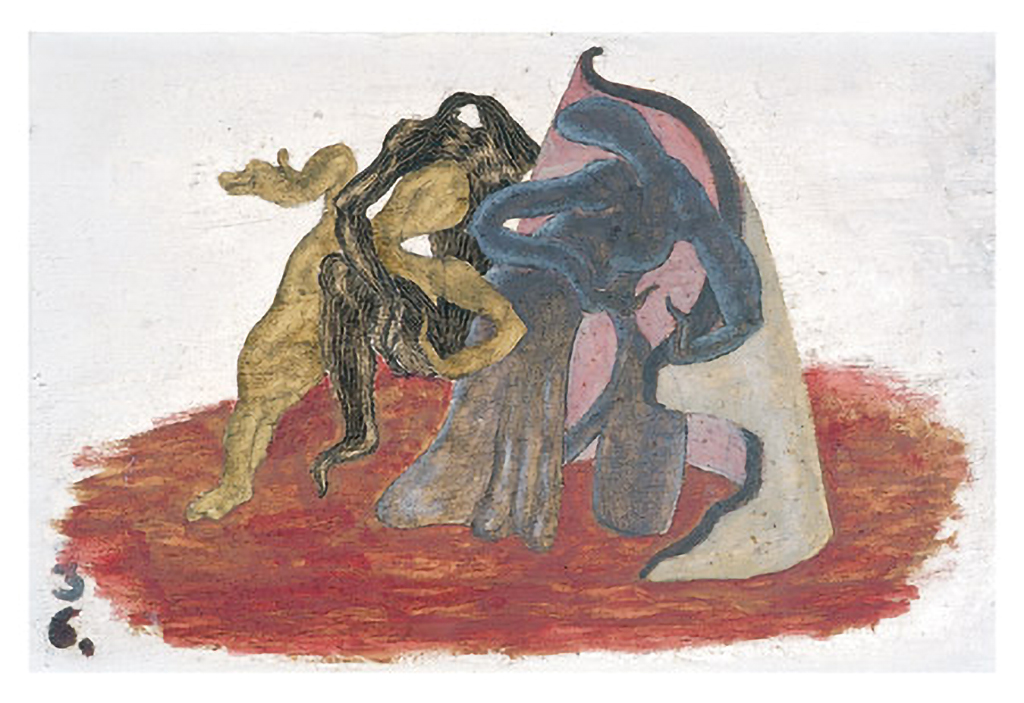
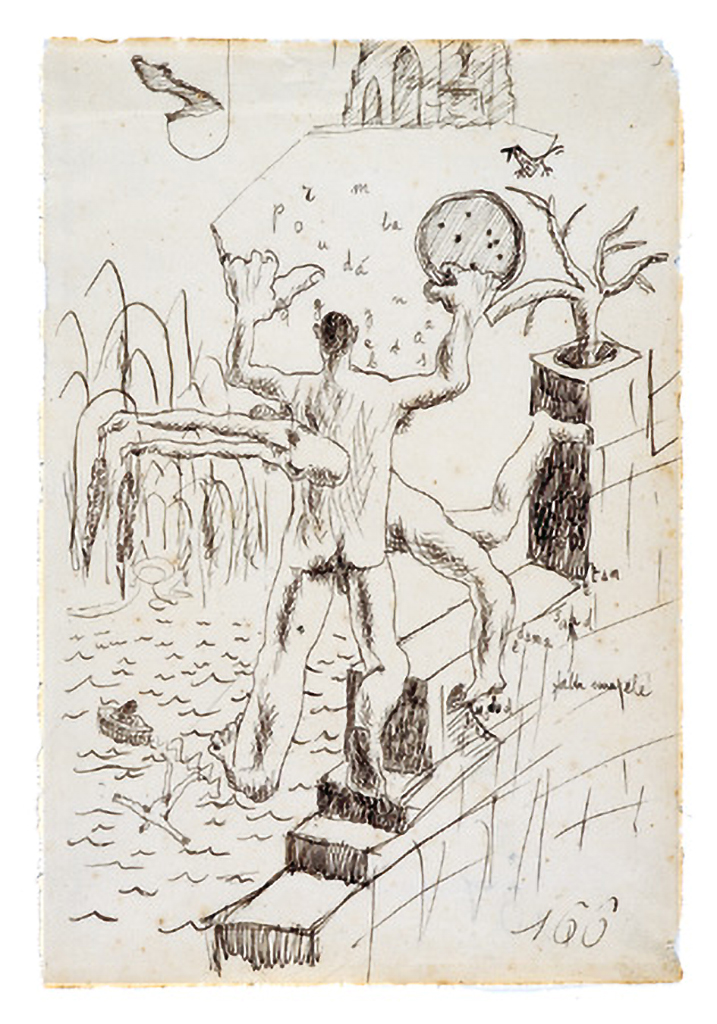
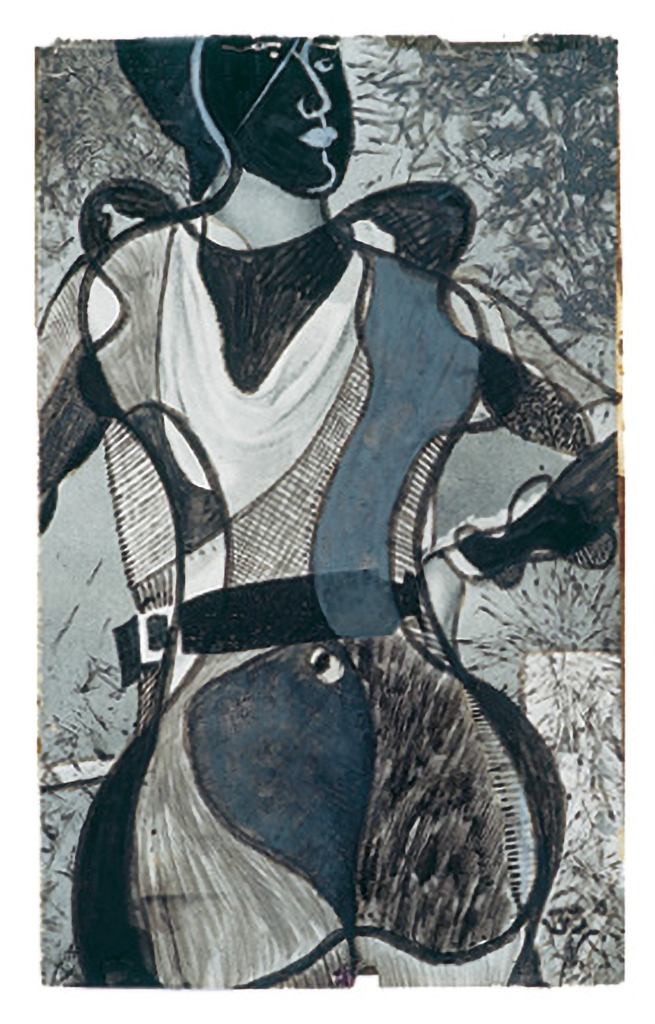
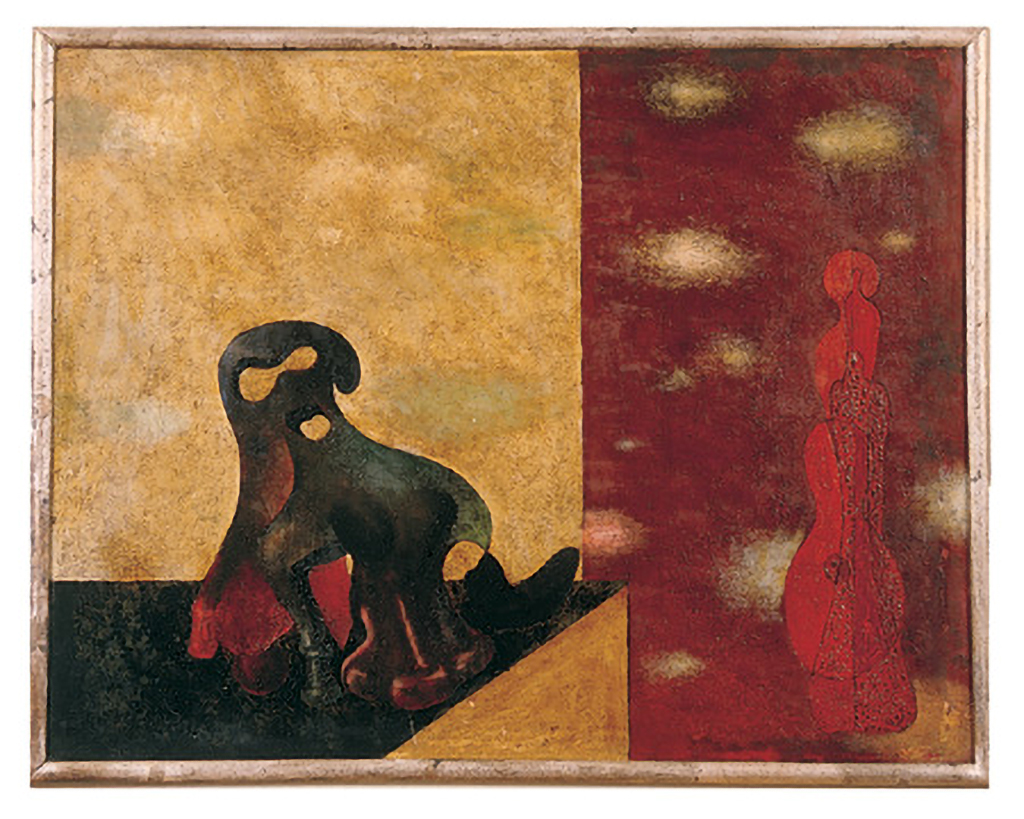
During his last two years in Madrid, from the age of 19 onwards, the various influences he had been exposed to gave rise to work which was highly influenced by surrealism and completely avant-garde.
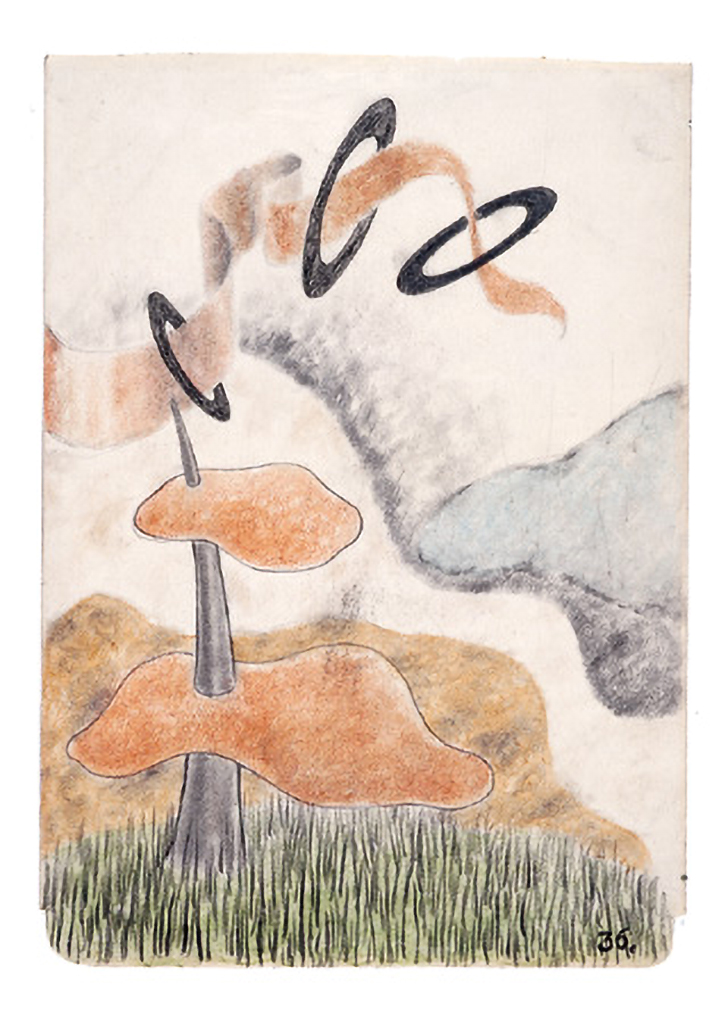
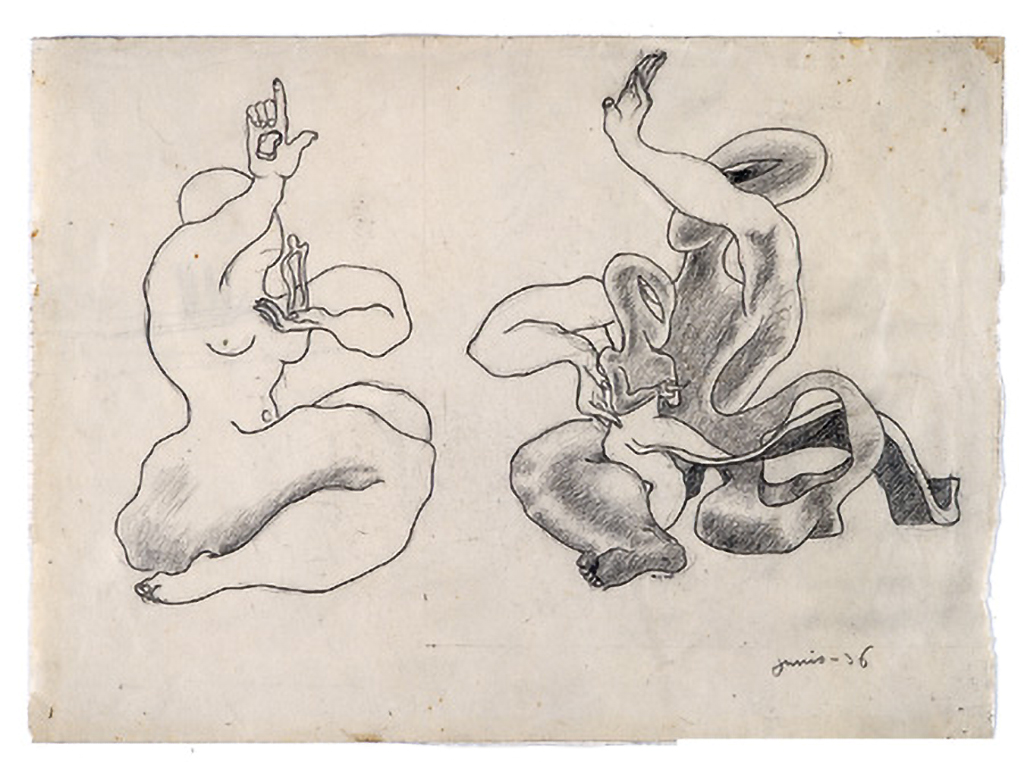
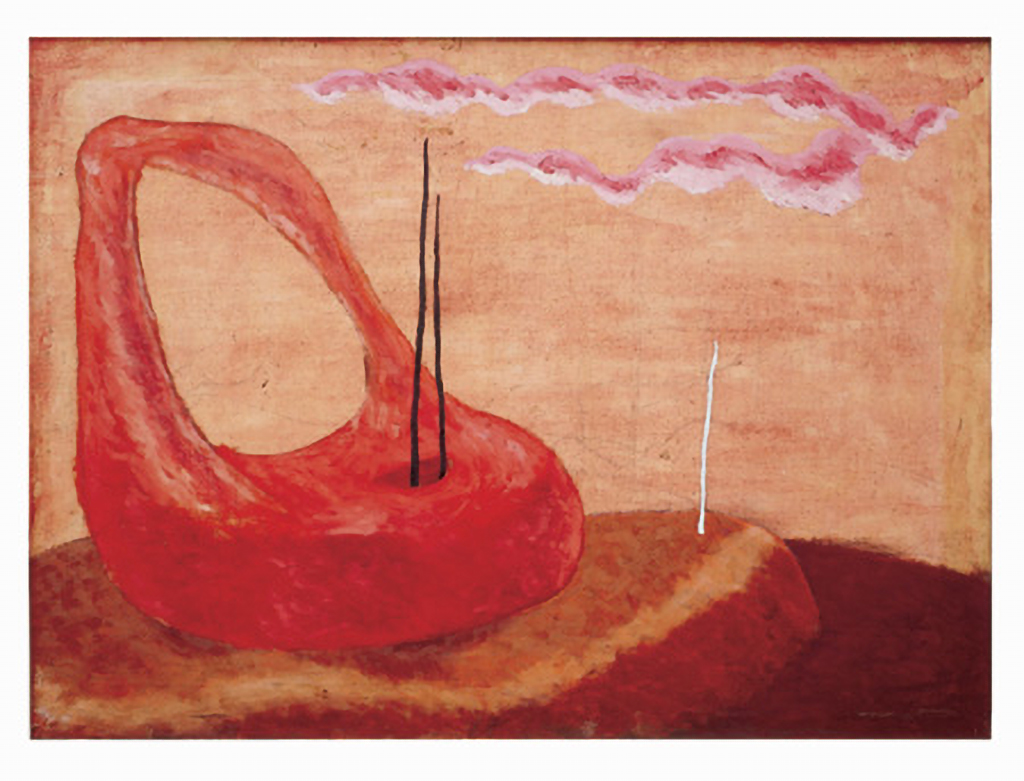
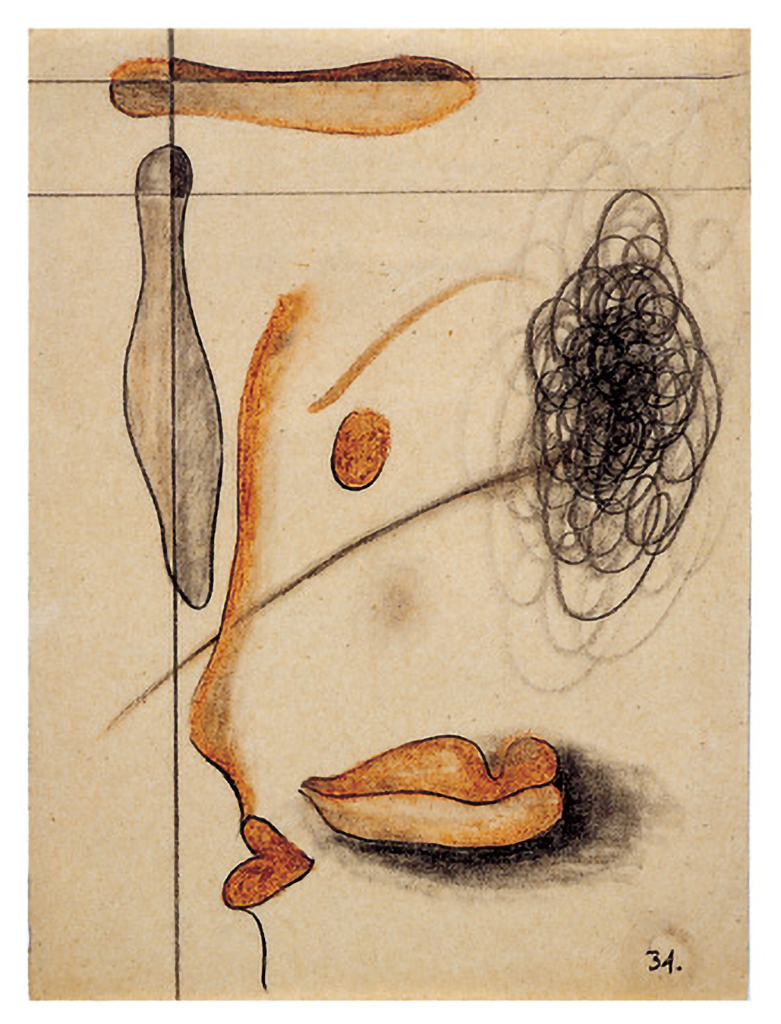
A metaphysical and surrealist iconography arises in which he looks inside himself for the subject matter of his work and creates surrealist scenes with disproportionate scale and impossible scenarios.
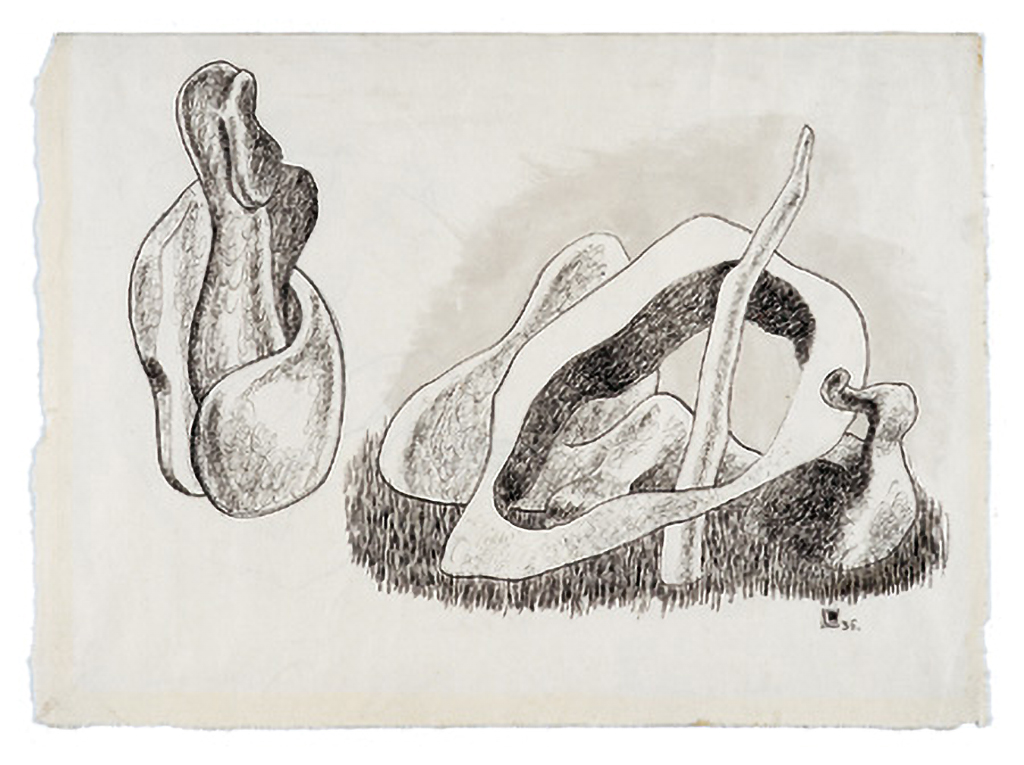
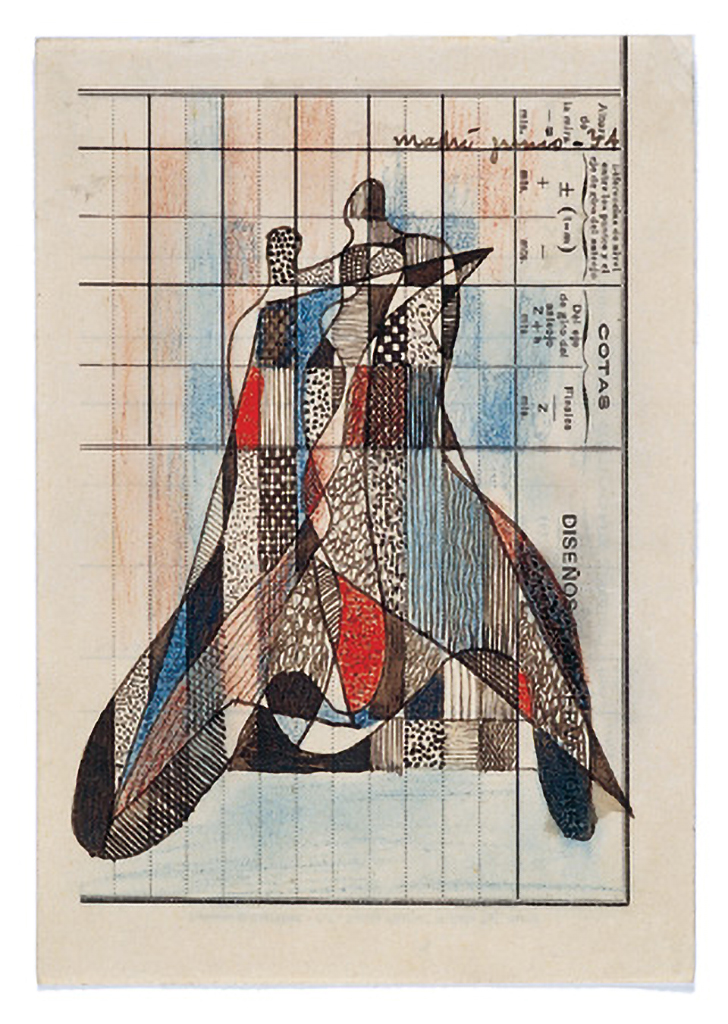
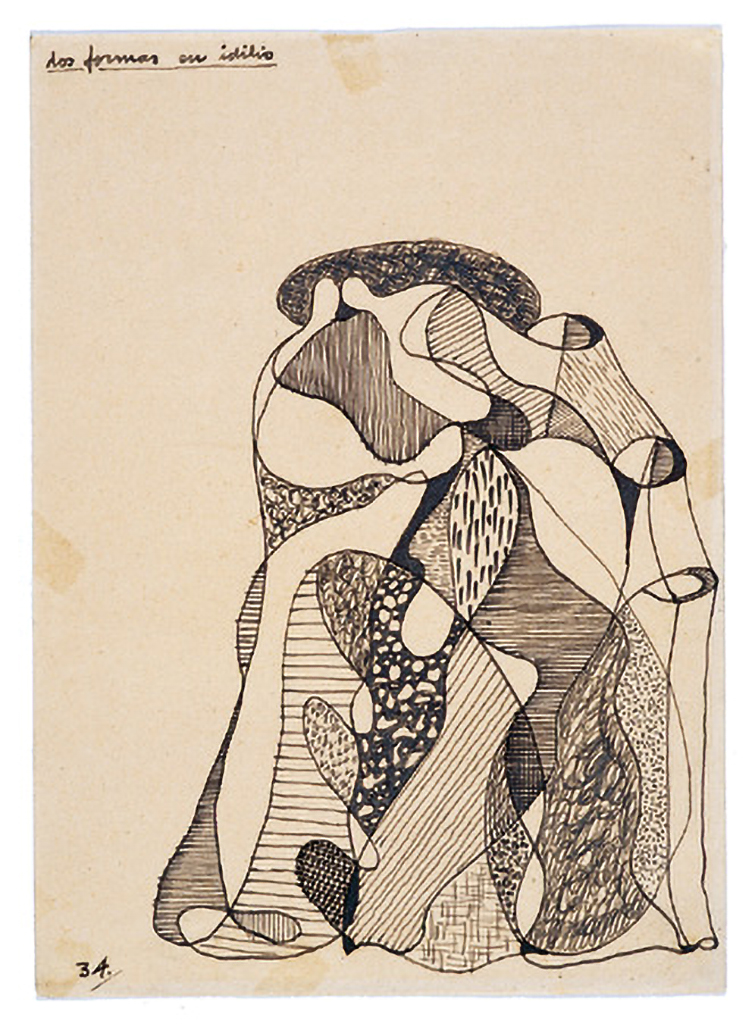
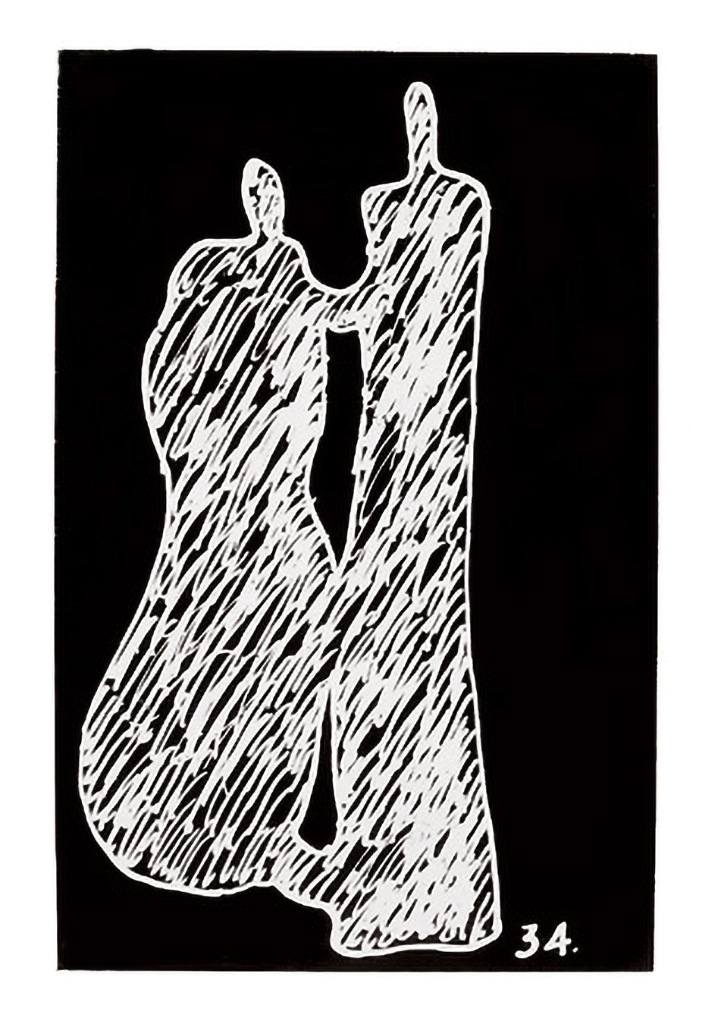
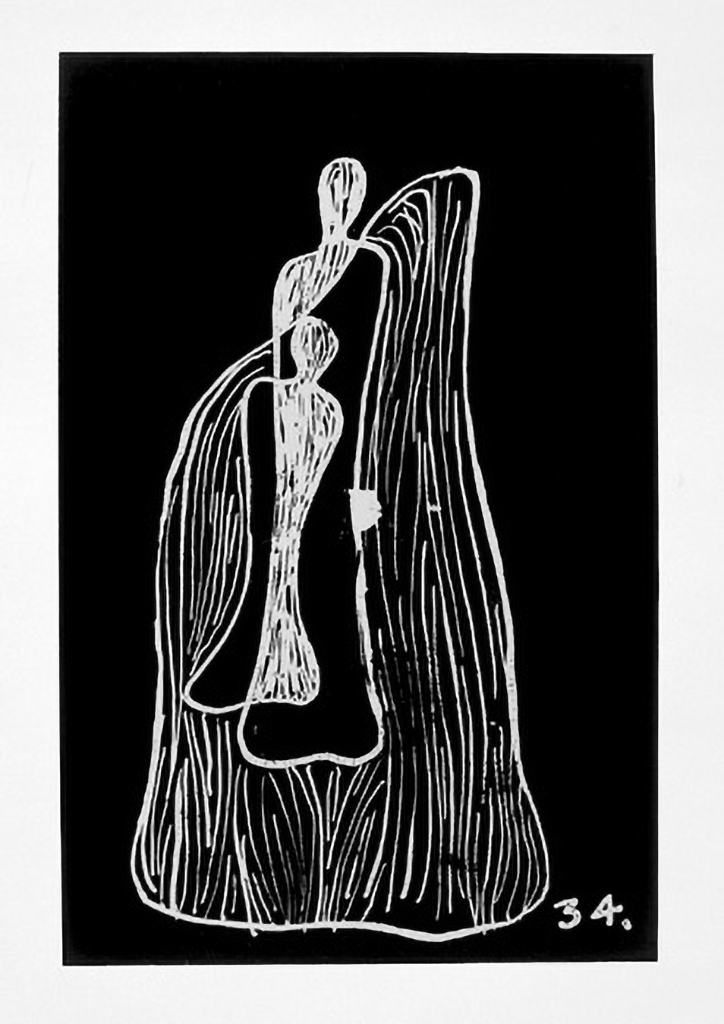
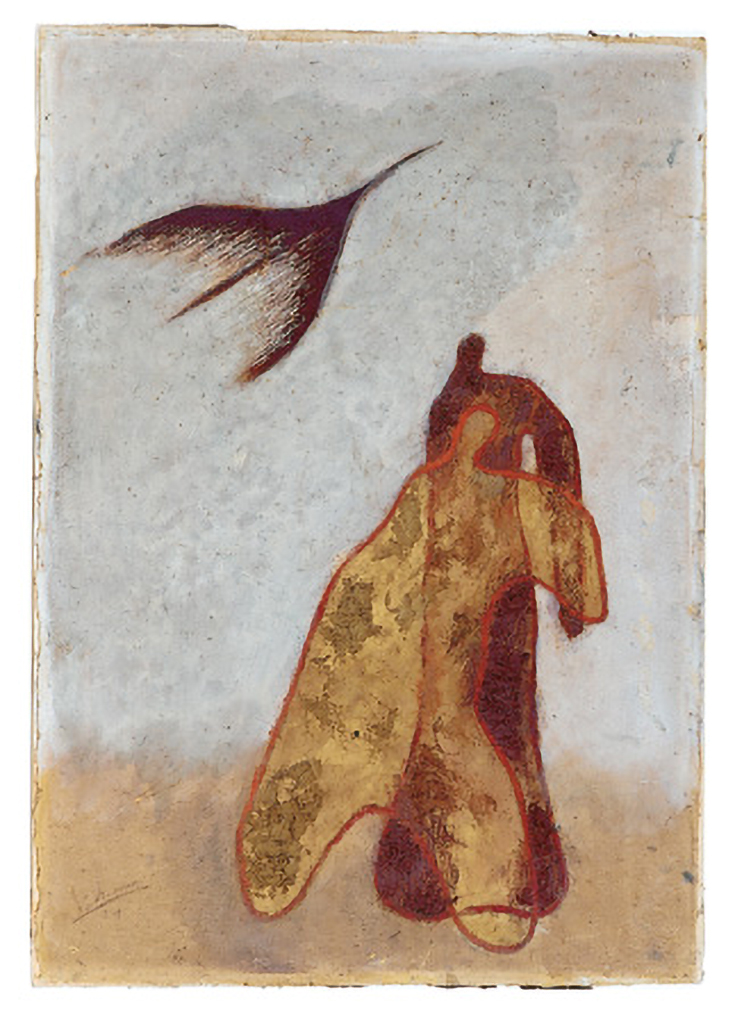
In other series he creates imaginary beings using a mixture of plant motifs and the abstract with bold lines and striped or dotted surfaces. By these means, he creates drawings of a great poetic power and unites the surrealist tendencies of the 30’s with the curvy and wavy lines of the 20’s.

Las naturalezas muertas
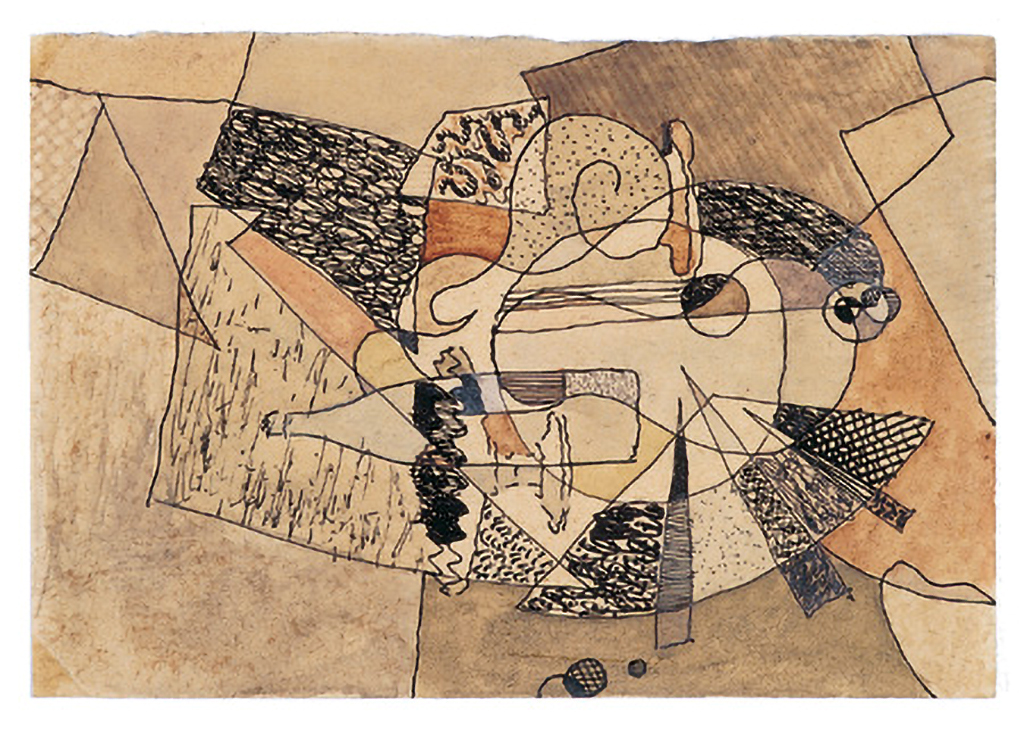
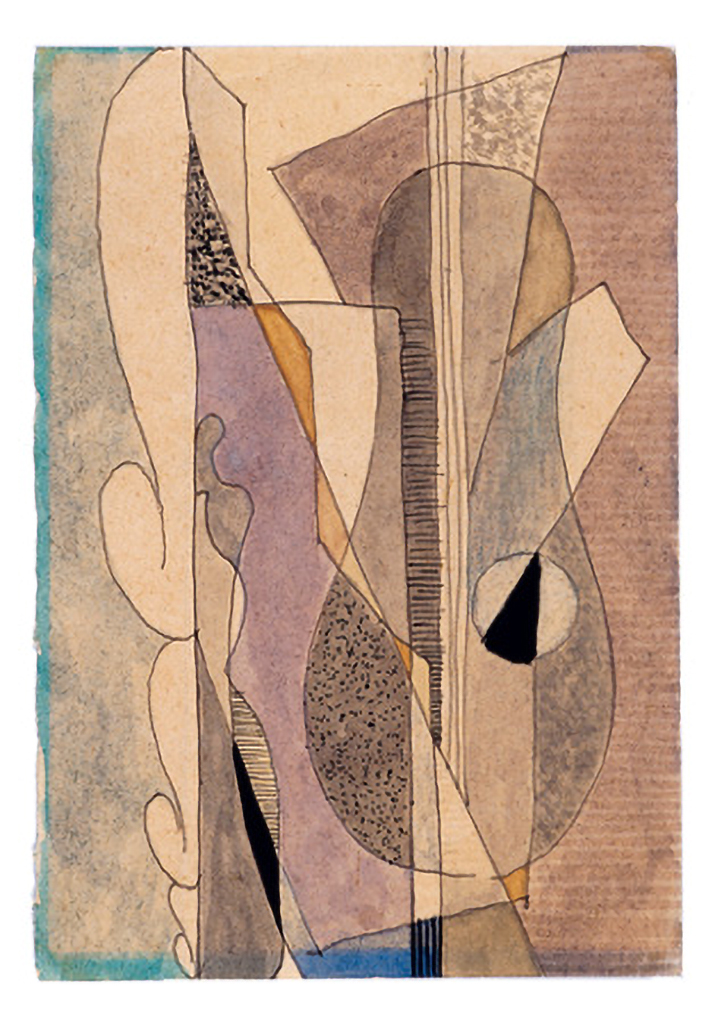
An initial phase of simple still-life later evolved by adopting different points of view in the cubist style. The subject matter of toys and masks of Madrid appears once again.
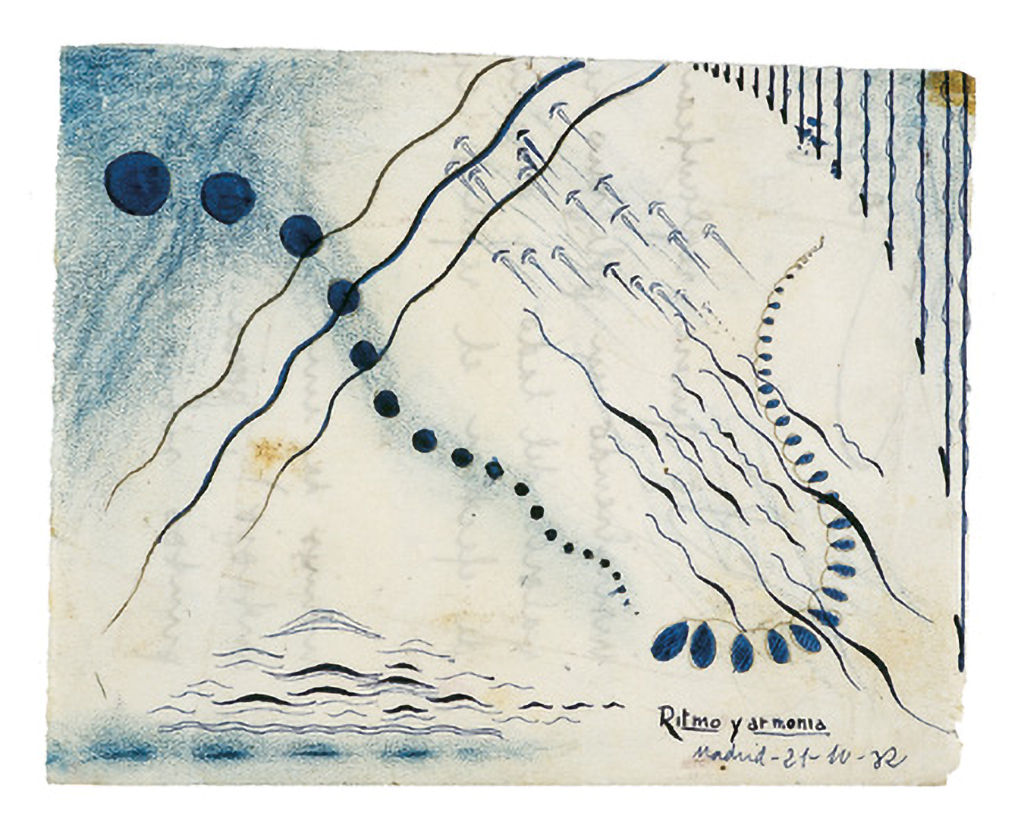
One piece of work is particularly worthy of mention: “Ritmo y Armonía” [Rhythm and Harmony], closely related to the theories that Kandinsky was to publish seven years later in his work “Punto y Línea sobre el Plano” [Point & Line to Plane] in which he talks about the freeing of the point and the line from any explicative, descriptive and/or practical purpose.

Painting

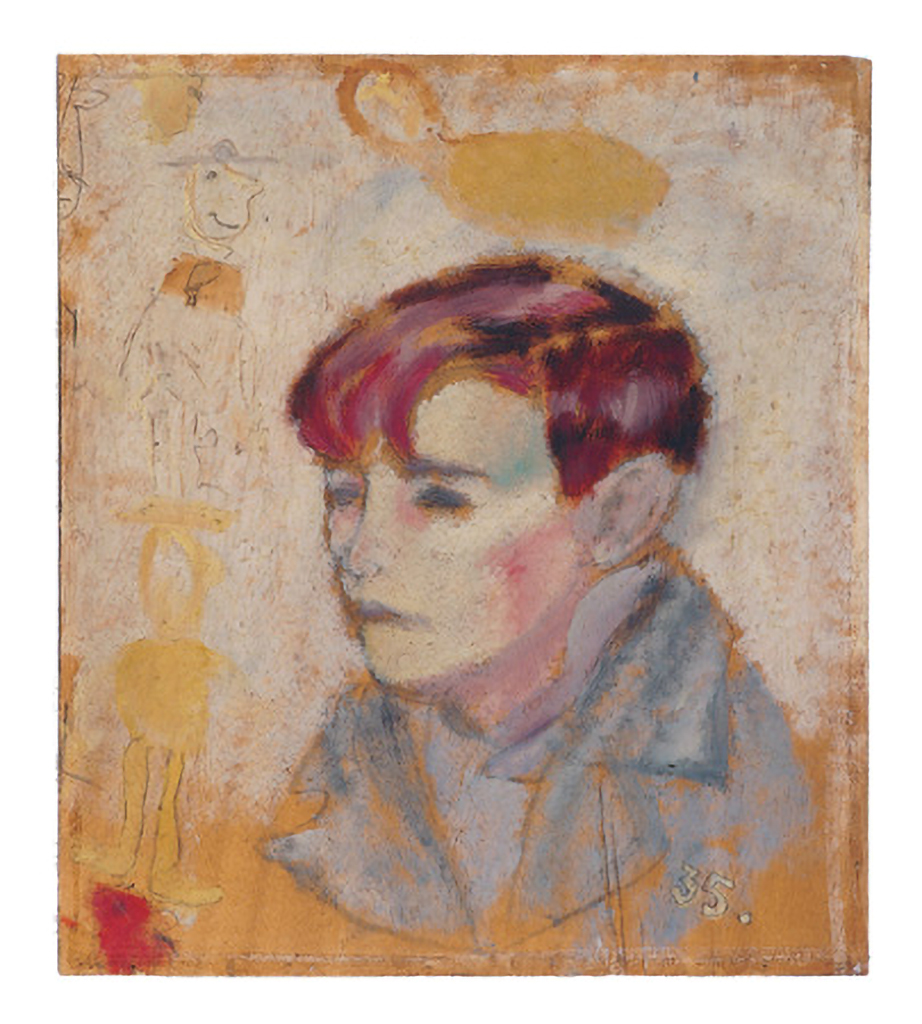
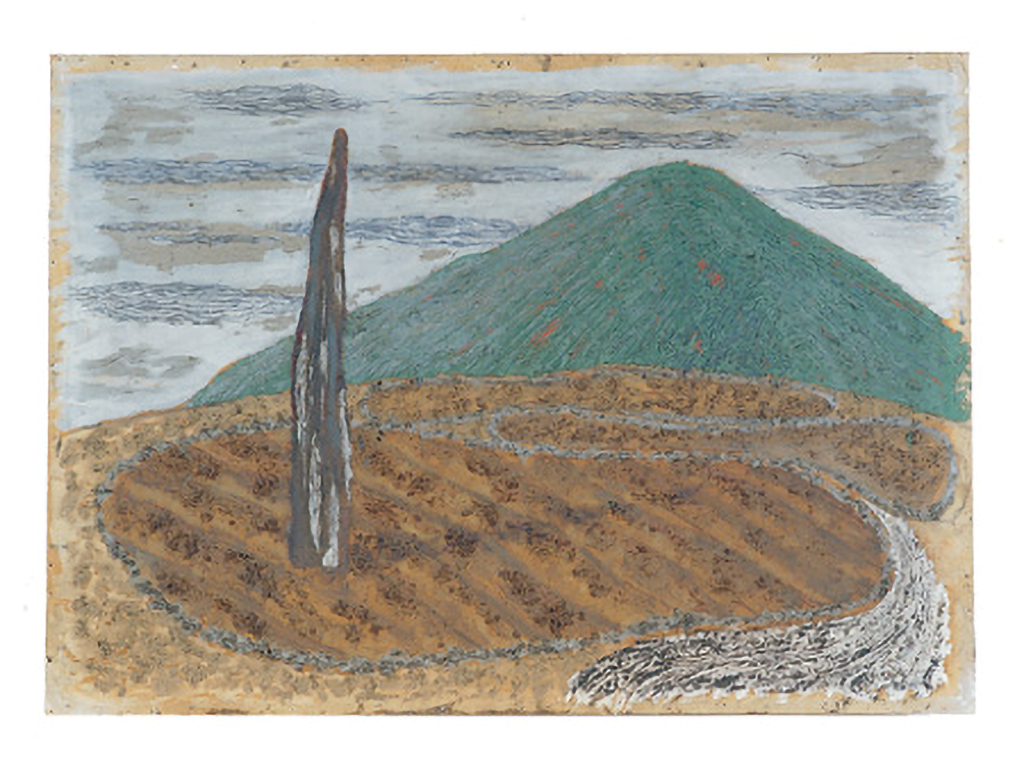
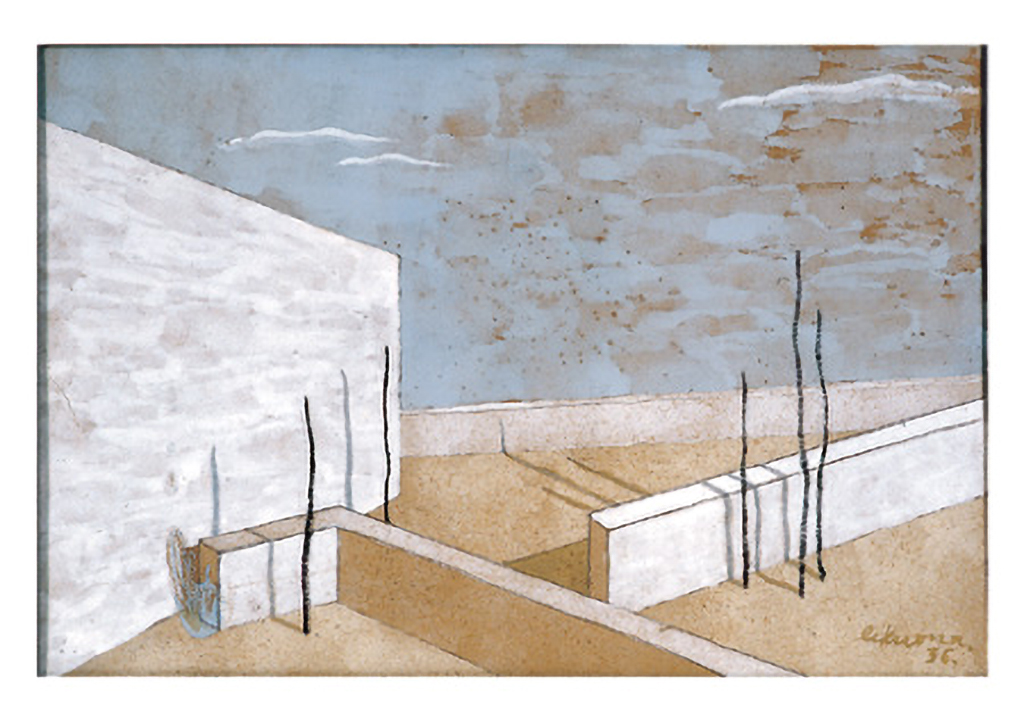
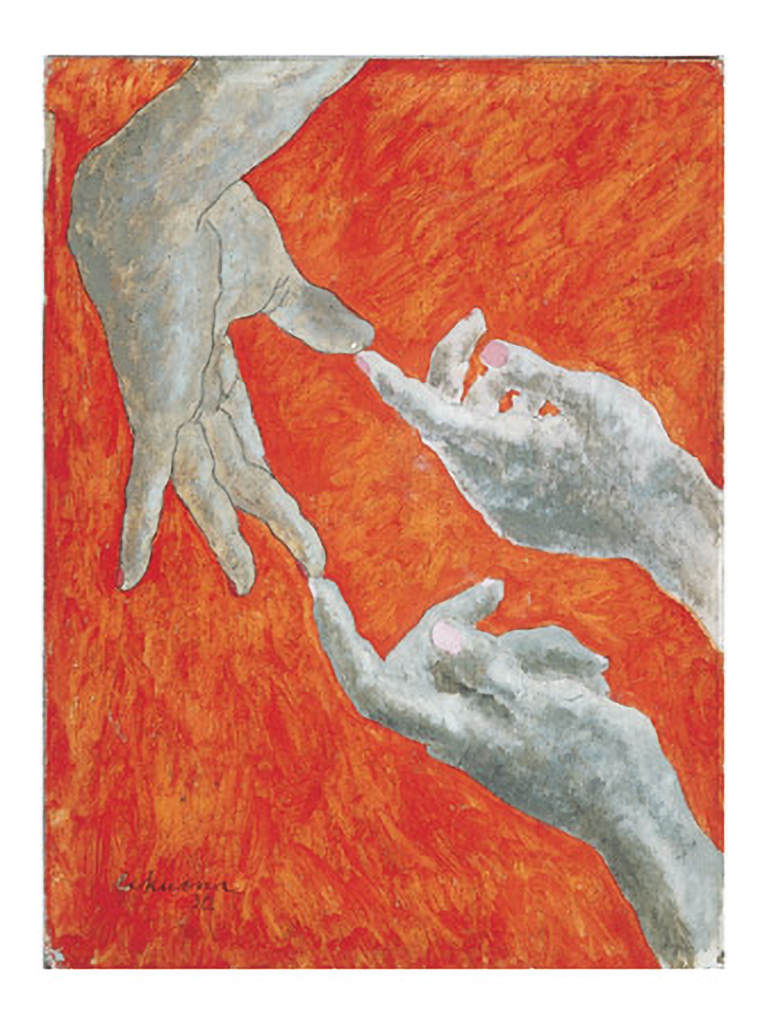
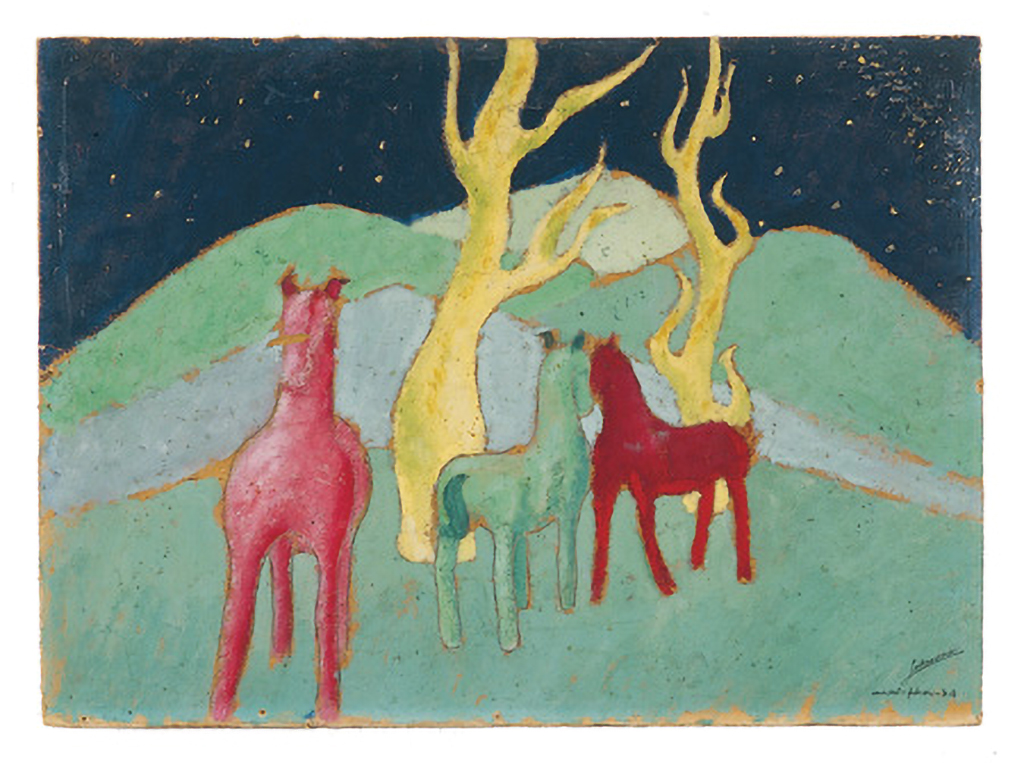
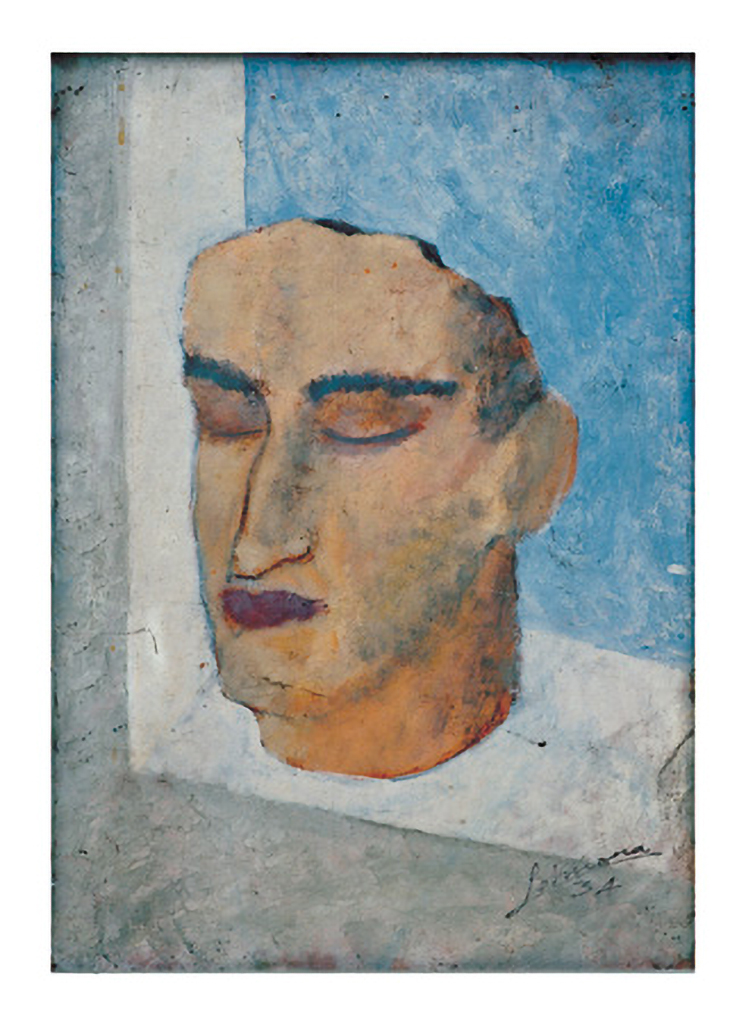
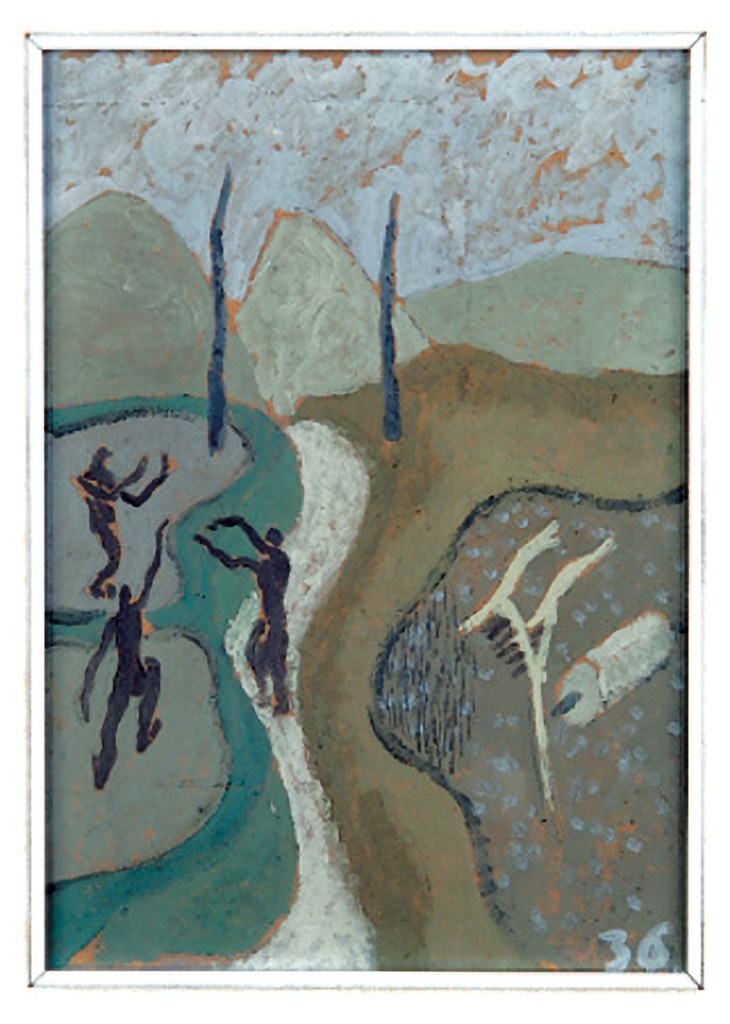
Compared to his extensive work on paper and photography, Nicolás produced relatively little painting.
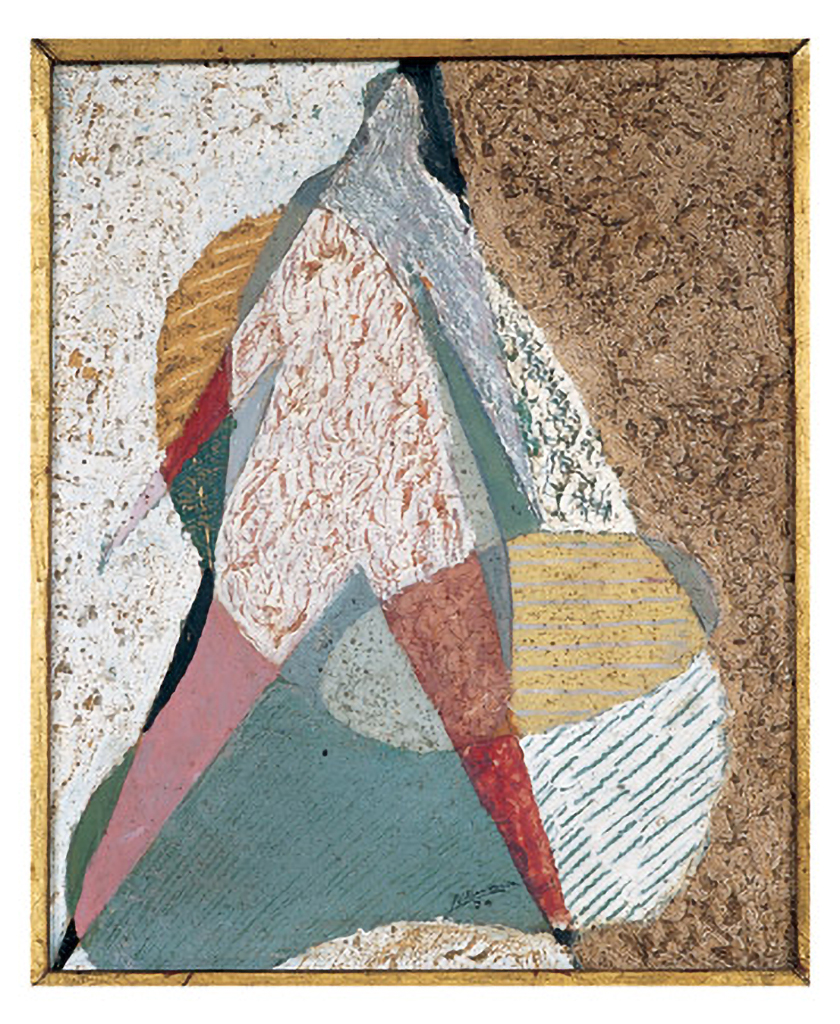
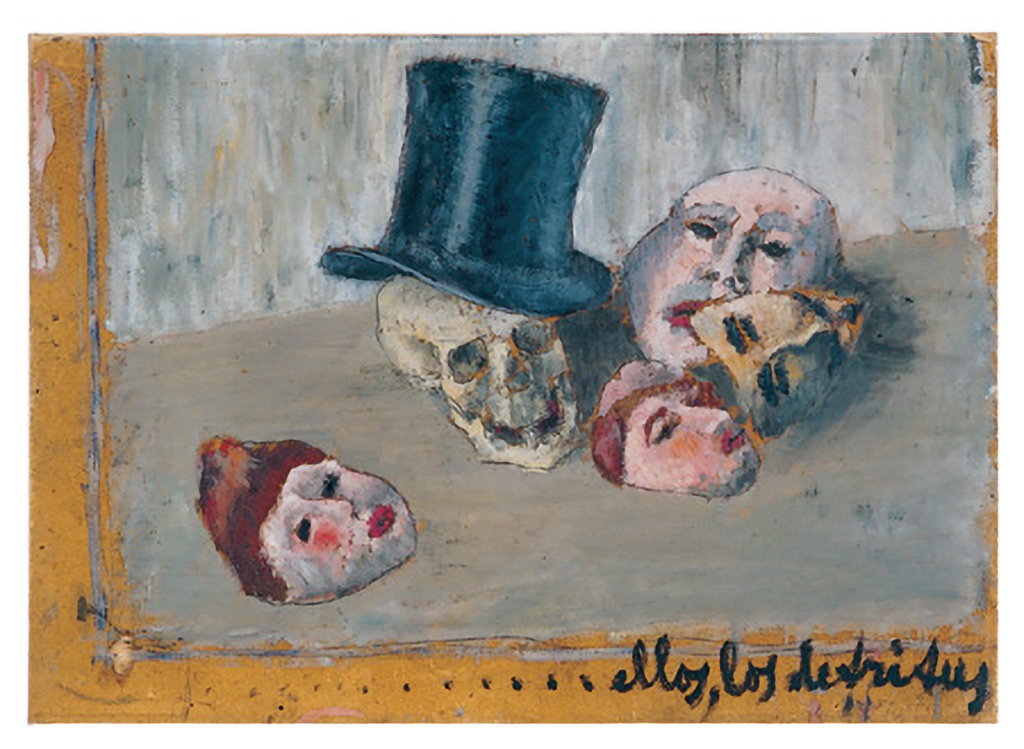
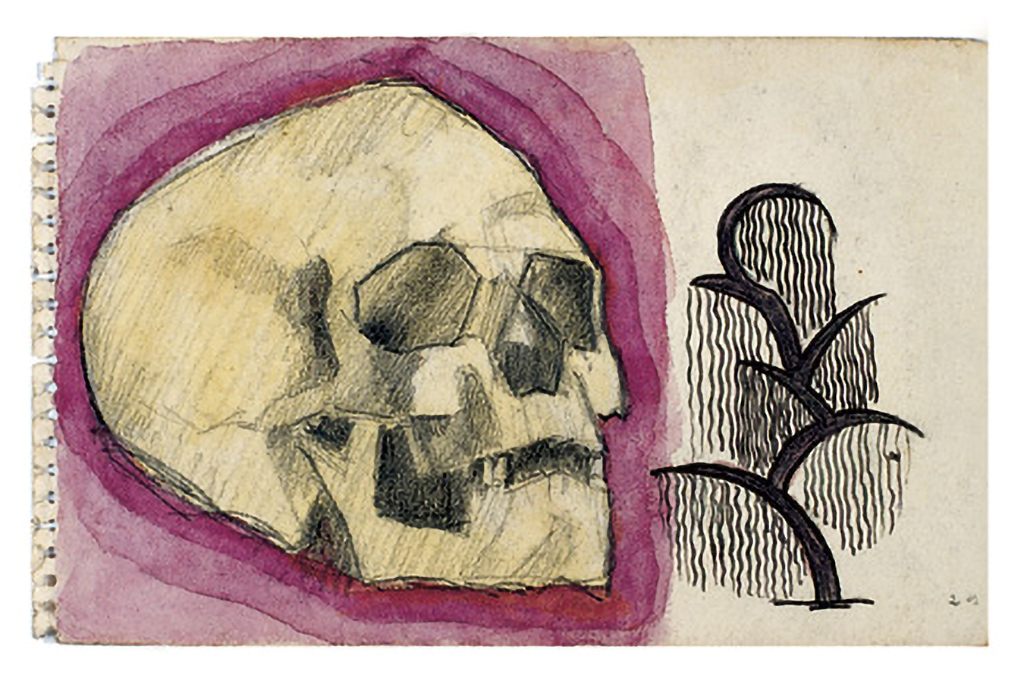
Initially skulls, masks and other inanimate objects are recurrent symbols used to express his desolation at the loss of his father.
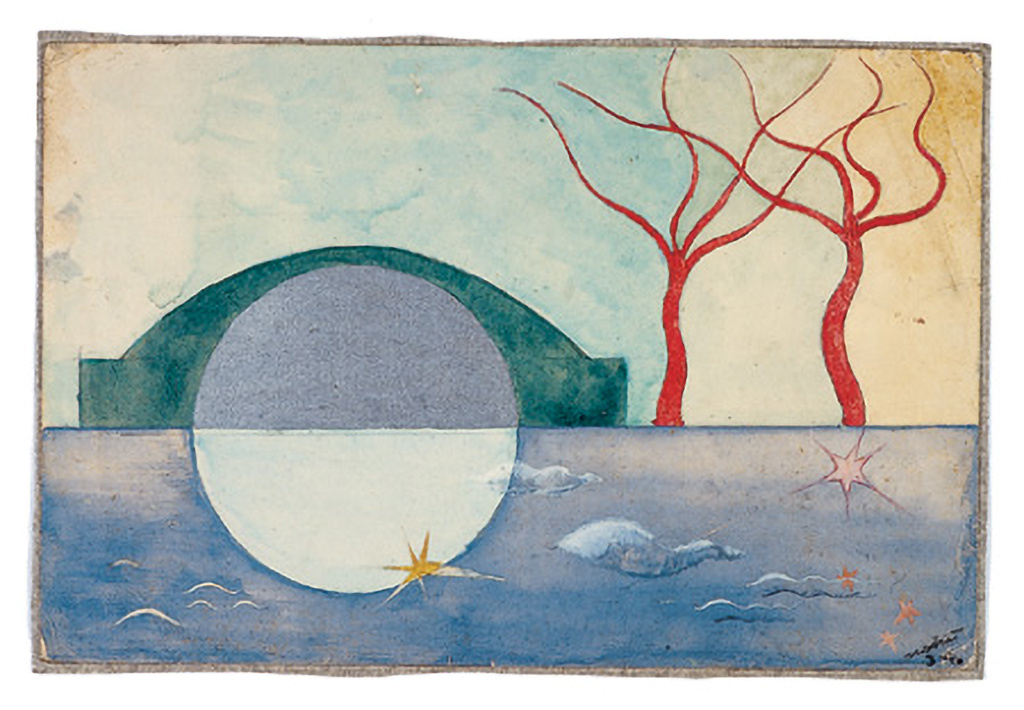
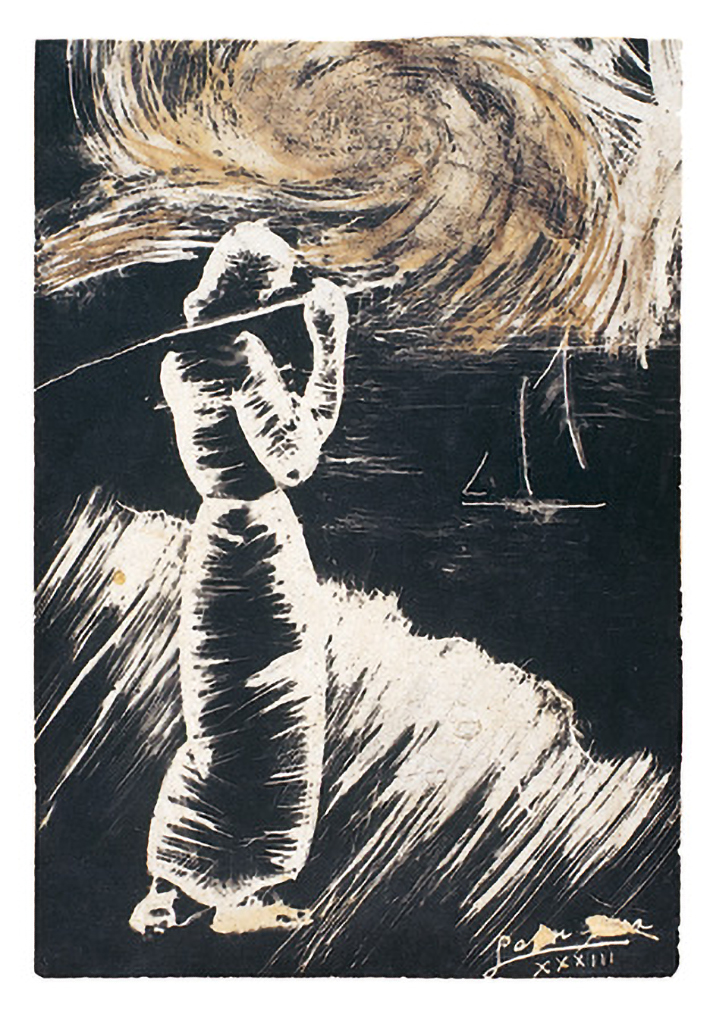
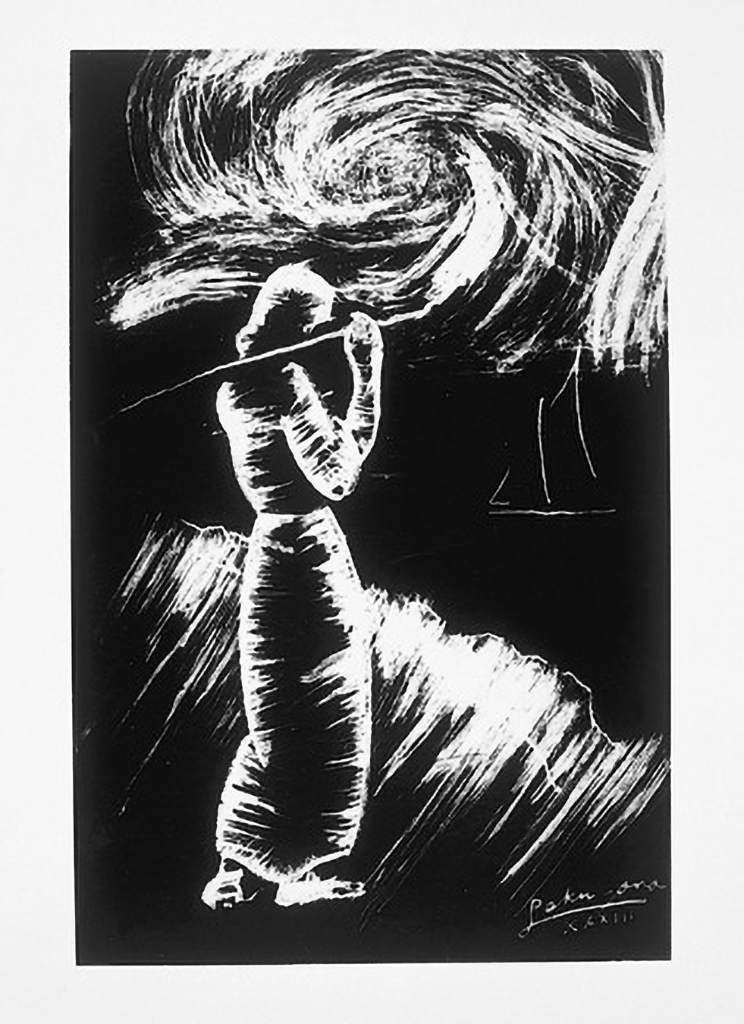
After 1934, poetic surrealism becomes a dominant influence: the night and the moon are central elements in the universe of the poets of the Generation of ’27.
Gradually, Lekuona’s personal universe emerges.


Works

 * Lekuona Brothers Collection ** Bilbao Fine Arts Museum *** Reina Sofía Art Museum **** Artium

s/t 1936. Plumilla/papel 21x29 cm

s/t 1936. Plumilla/papel 21x29 cm

s/t 1934. Técnica mixta/cartón 23’5x19 cm

s/t 1934. Técnica mixta/cartón 23’5x19 cm

s/t adscrito a 1934. Acuarela y tinta/papel 15x10’4 cm *

s/t adscrito a 1934. Acuarela y tinta/papel 15x10’4 cm *

s/t 1934. Acuarela/papel 15x10’4 cm *

s/t 1934. Acuarela/papel 15x10’4 cm *

s/t 1934. Pluma y lápiz de color/papel milimetrado 16´6x11´6 cm

s/t 1934. Pluma y lápiz de color/papel milimetrado 16´6x11´6 cm

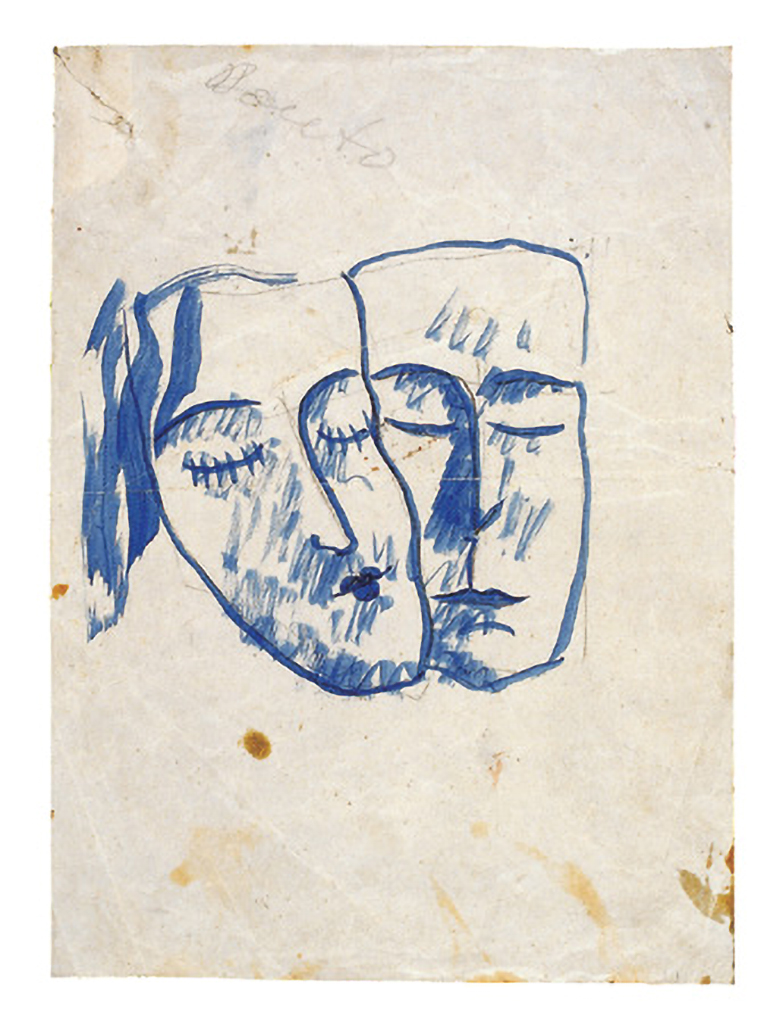
”Dos formas en idilio” 1934. Pluma/papel 20´8x15 cm *

”Dos formas en idilio” 1934. Pluma/papel 20´8x15 cm *

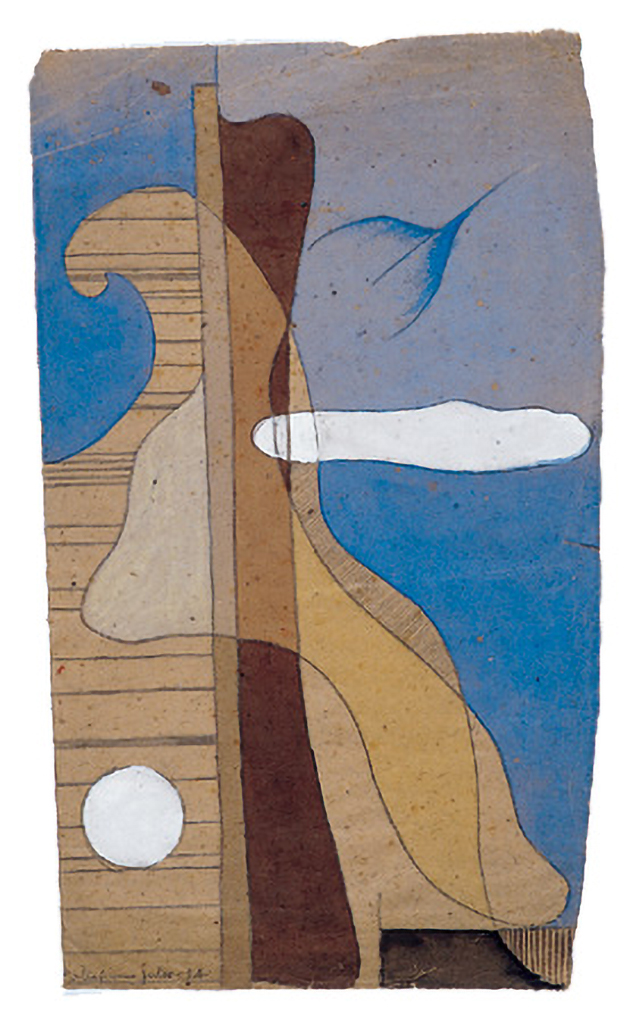
s/t 1934. Gouache/papel estraza 33´5x20 cm *

s/t 1934. Gouache/papel estraza 33´5x20 cm *

s/t 1934. Acuarela y purpurina/papel 18´5x28 cm *

s/t 1934. Acuarela y purpurina/papel 18´5x28 cm *

s/t 1935. Lápiz/papel (dibujado por 2 lados) 37´5x24´5 cm *

s/t 1935. Lápiz/papel (dibujado por 2 lados) 37´5x24´5 cm *

s/t 1935. Lápiz/papel (dibujado por 2 lados) 37´5x24´5 cm *

s/t 1935. Lápiz/papel (dibujado por 2 lados) 37´5x24´5 cm *

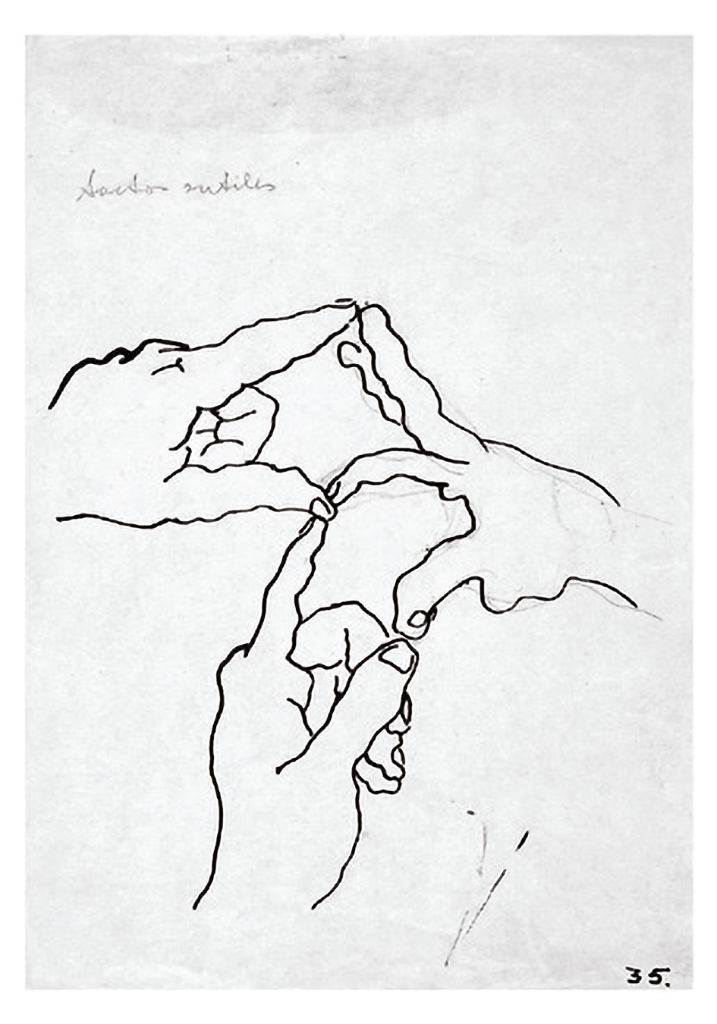
”Tactos sutiles” 1935. Pluma/papel 22x15´6 cm *

”Tactos sutiles” 1935. Pluma/papel 22x15´6 cm *

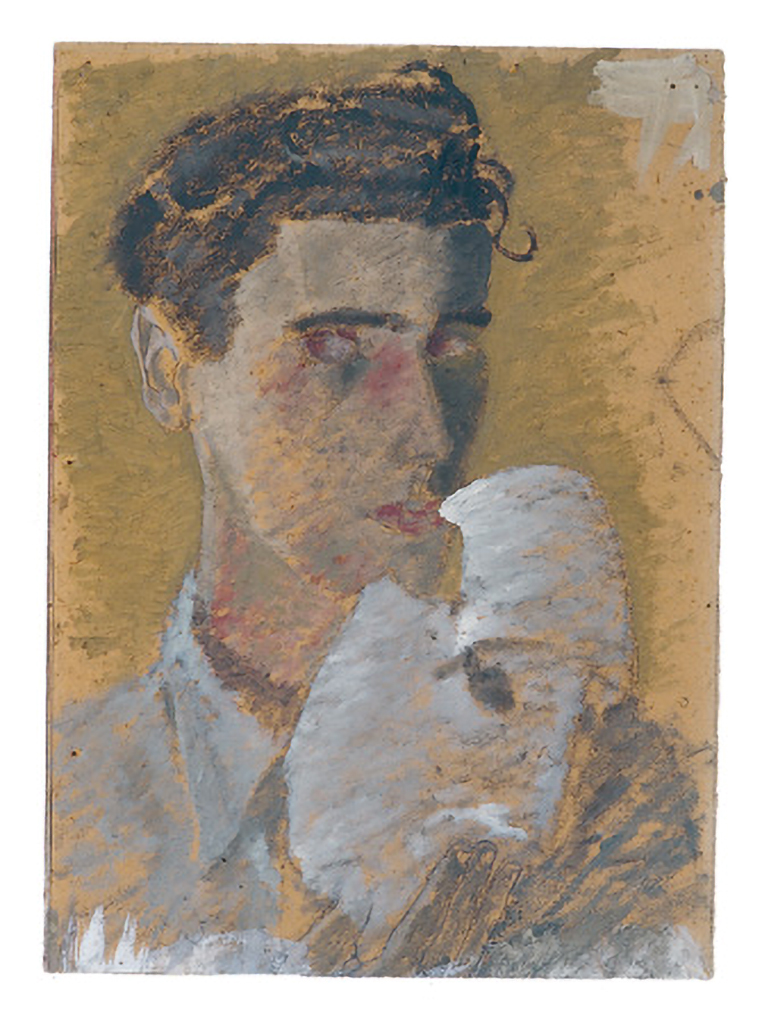
s/t hacia 1935. Óleo/cartón (autorretrato) 48´5x35 cm *

s/t hacia 1935. Óleo/cartón (autorretrato) 48´5x35 cm *

”Gregorio Lekuona” 1935. Óleo/tabla 51´7x45´5 cm *

”Gregorio Lekuona” 1935. Óleo/tabla 51´7x45´5 cm *

s/t 1935. Óleo y tierras/cartón 75x104´7 cm *

s/t 1935. Óleo y tierras/cartón 75x104´7 cm *

s/t 1936. Gouache/cartón 8´1x5´2 cm *

s/t 1936. Gouache/cartón 8´1x5´2 cm *

s/t 1936. Gouache/cartón pegado a tabla 32´5x46´71 cm *

s/t 1936. Gouache/cartón pegado a tabla 32´5x46´71 cm *

”Tactos sutiles”. Técnica mixta/cartón 47´7x35´5 cm *

”Tactos sutiles”. Técnica mixta/cartón 47´7x35´5 cm *

s/t 1936. Gouache sobre cartón 23´5x38 cm *

s/t 1936. Gouache sobre cartón 23´5x38 cm *

s/t 1934. Óleo sobre cartón 26´5x28´5 cm *

s/t 1934. Óleo sobre cartón 26´5x28´5 cm *

Fotografía de San Vidor

Fotografía de San Vidor

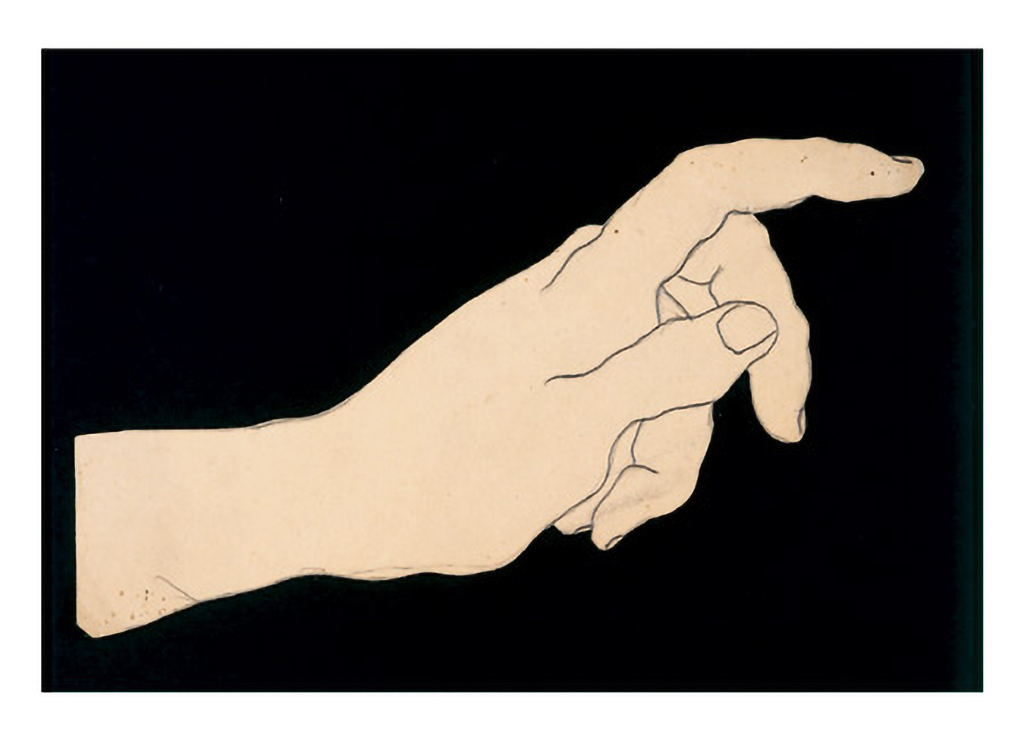
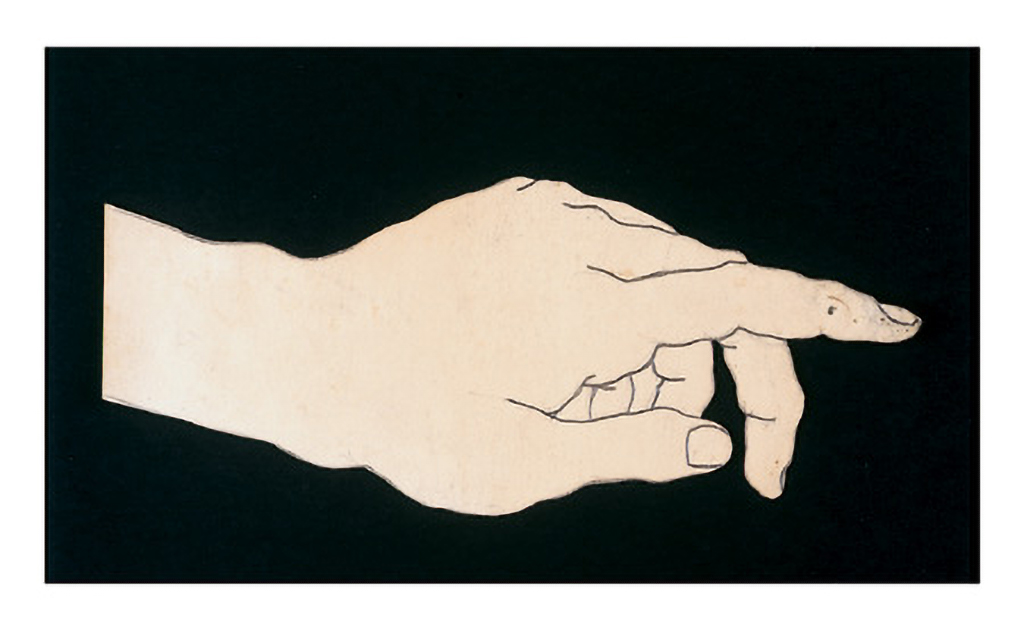
”Un momento” 1935. Tinta azul y lápiz/papel 15´6x21´9 cm *

”Un momento” 1935. Tinta azul y lápiz/papel 15´6x21´9 cm *

”¿Quiere el señor...” sin fecha. Lápiz y tinta/papel 15´7x22 cm *

”¿Quiere el señor...” sin fecha. Lápiz y tinta/papel 15´7x22 cm *

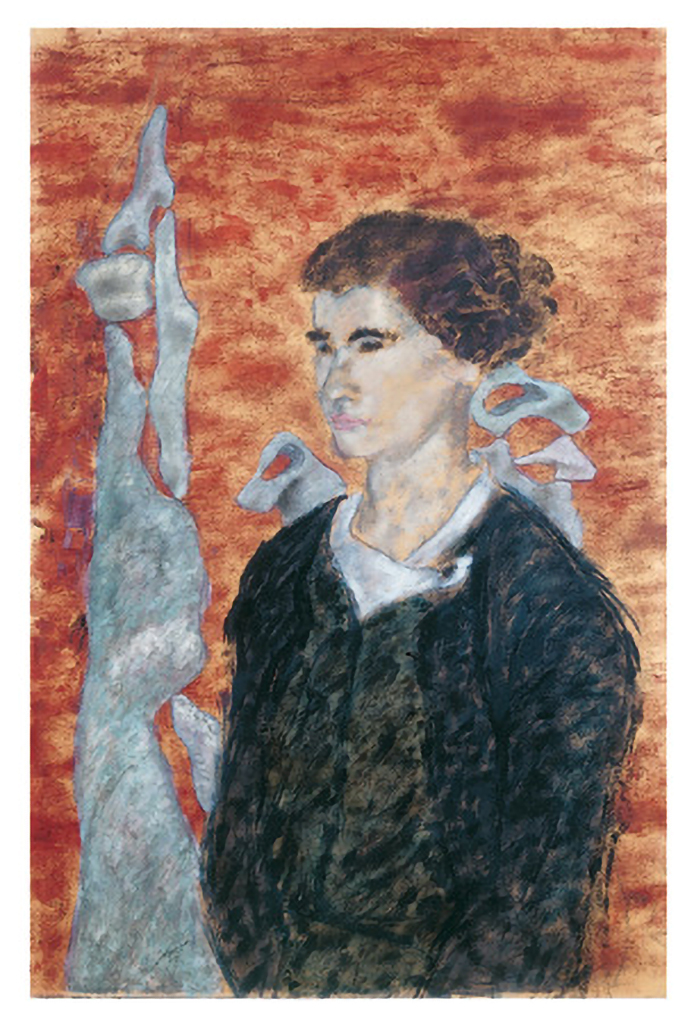
”Retrato de Beatriz de Lekuona” 1935. Óleo y lápiz/cartón 91´5x61´5cm **

”Retrato de Beatriz de Lekuona” 1935. Óleo y lápiz/cartón 91´5x61´5cm **

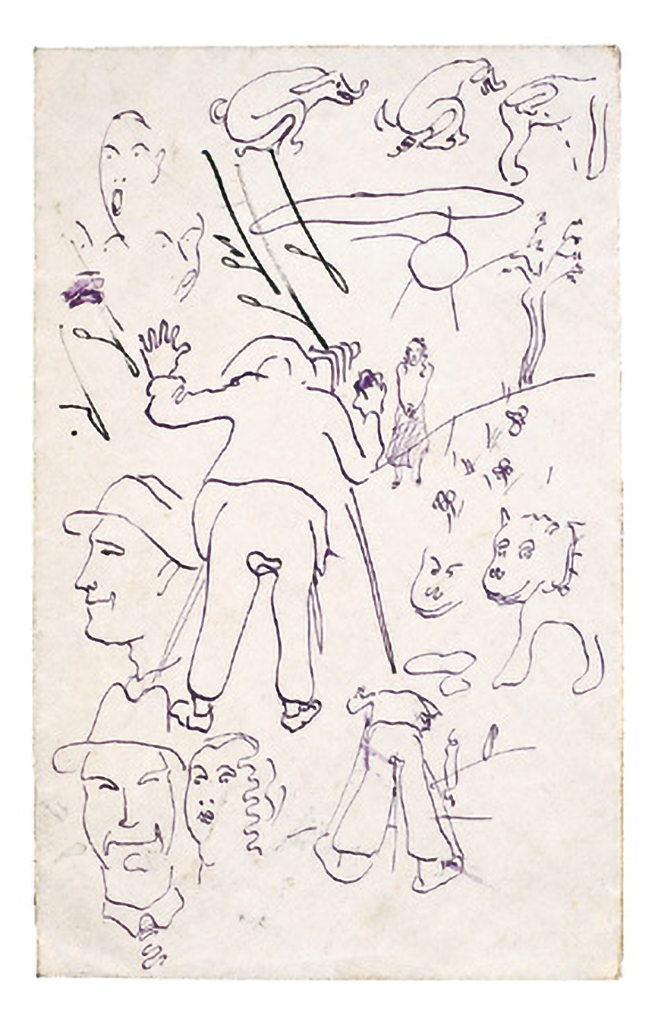
s/t -sin fecha-. Tinta/papel de correspondencia 17x10´7cm *

s/t -sin fecha-. Tinta/papel de correspondencia 17x10´7cm *

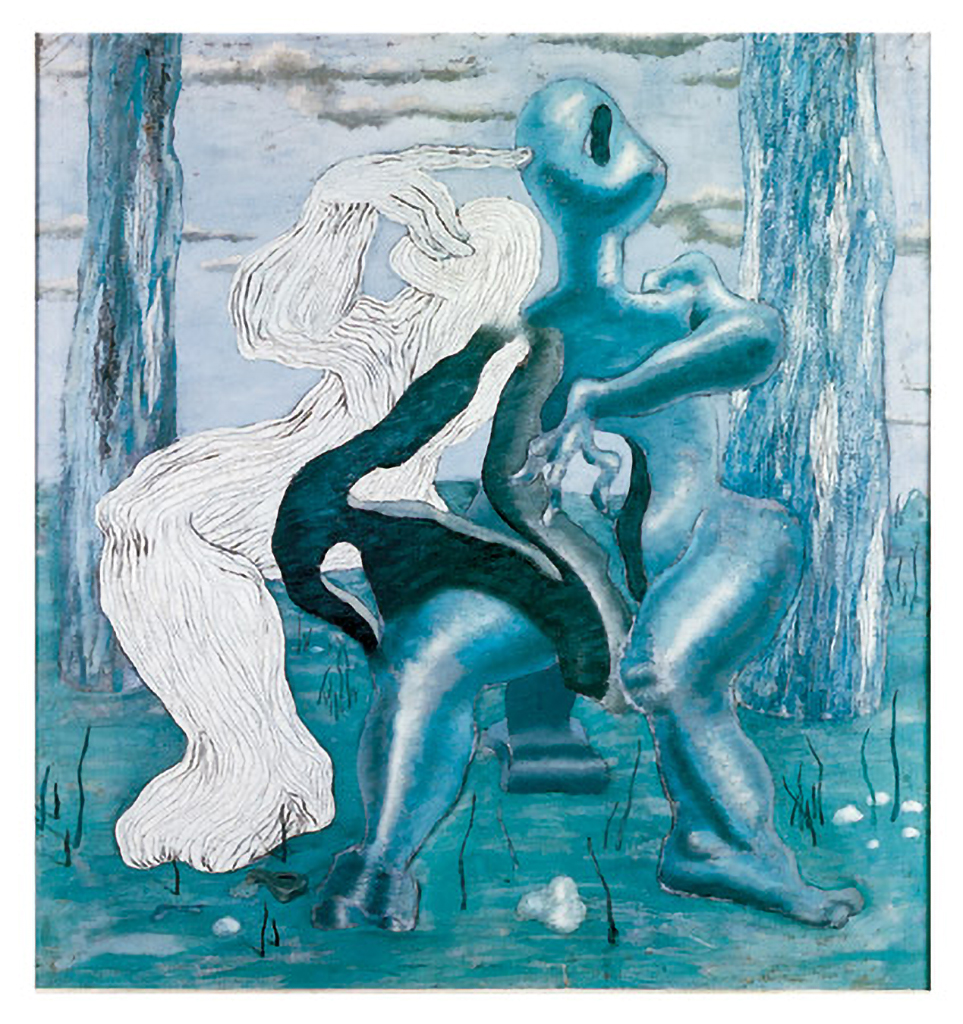
”Seres zuréales en un bosque” 1936. Óleo/lienzo 133´5x126 cm **

”Seres zuréales en un bosque” 1936. Óleo/lienzo 133´5x126 cm **

029

029

030

030

031

031

032

032

033

033

036

036

037

037

038

038

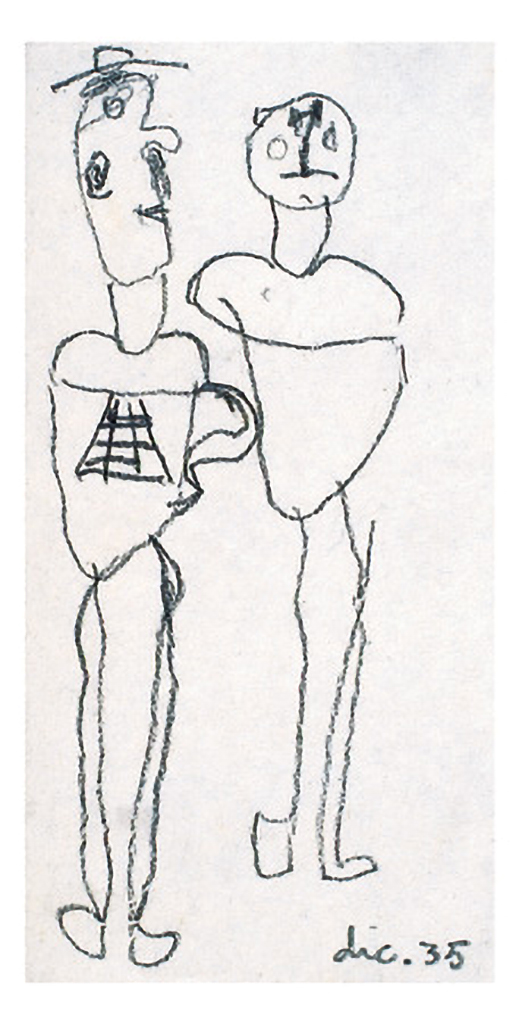
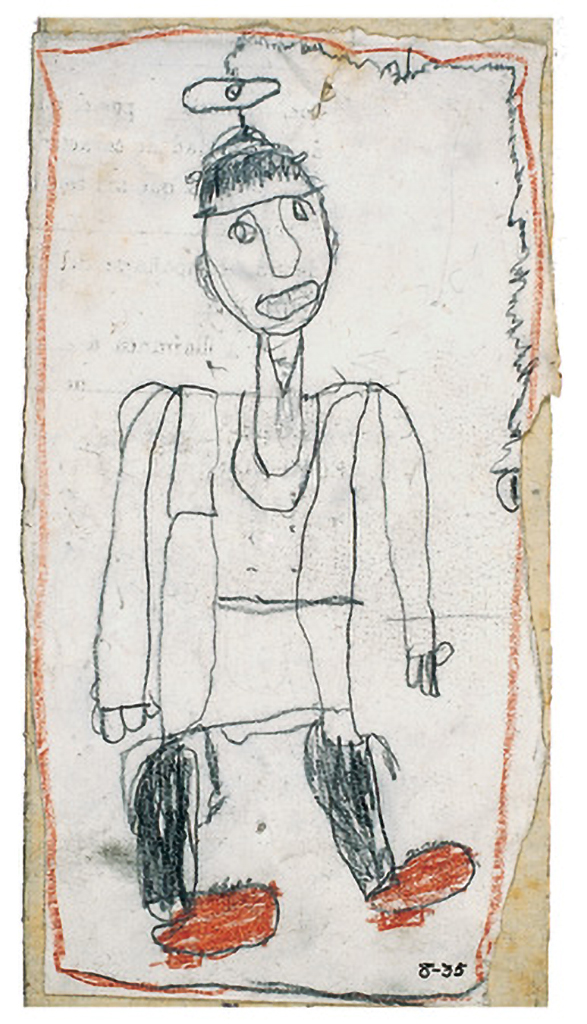
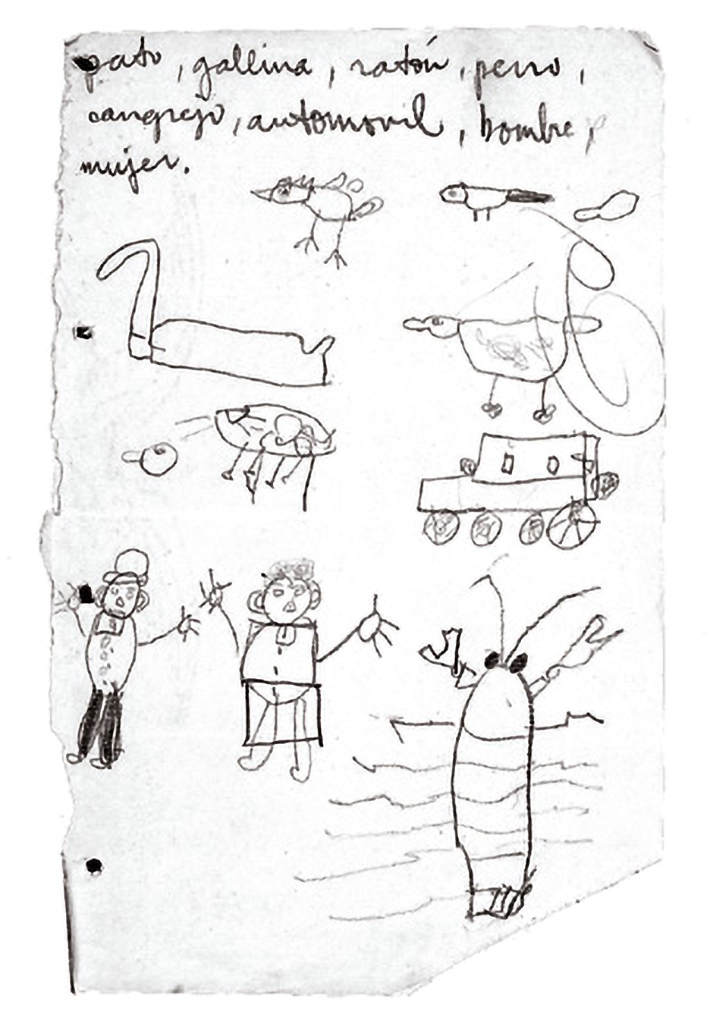
Dibujos infantiles realizados por Gregorio y Nicolás de Lekuona 1935 *

Dibujos infantiles realizados por Gregorio y Nicolás de Lekuona 1935 *

Dibujos infantiles realizados por Gregorio y Nicolás de Lekuona 1935 *

Dibujos infantiles realizados por Gregorio y Nicolás de Lekuona 1935 *

041

041

045

045

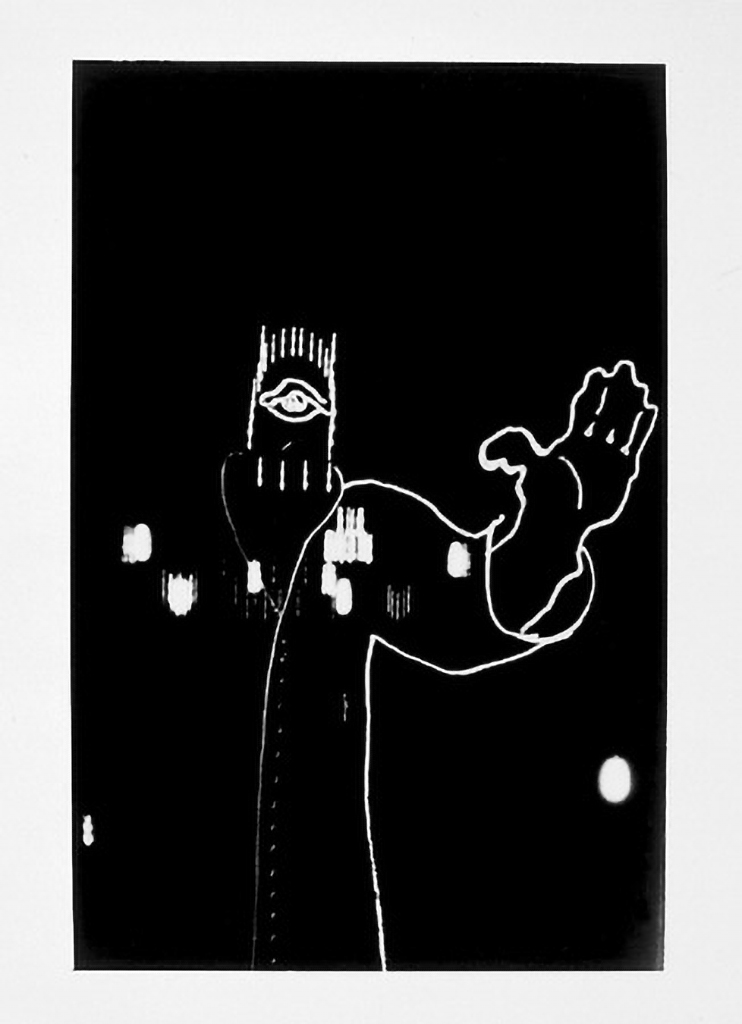
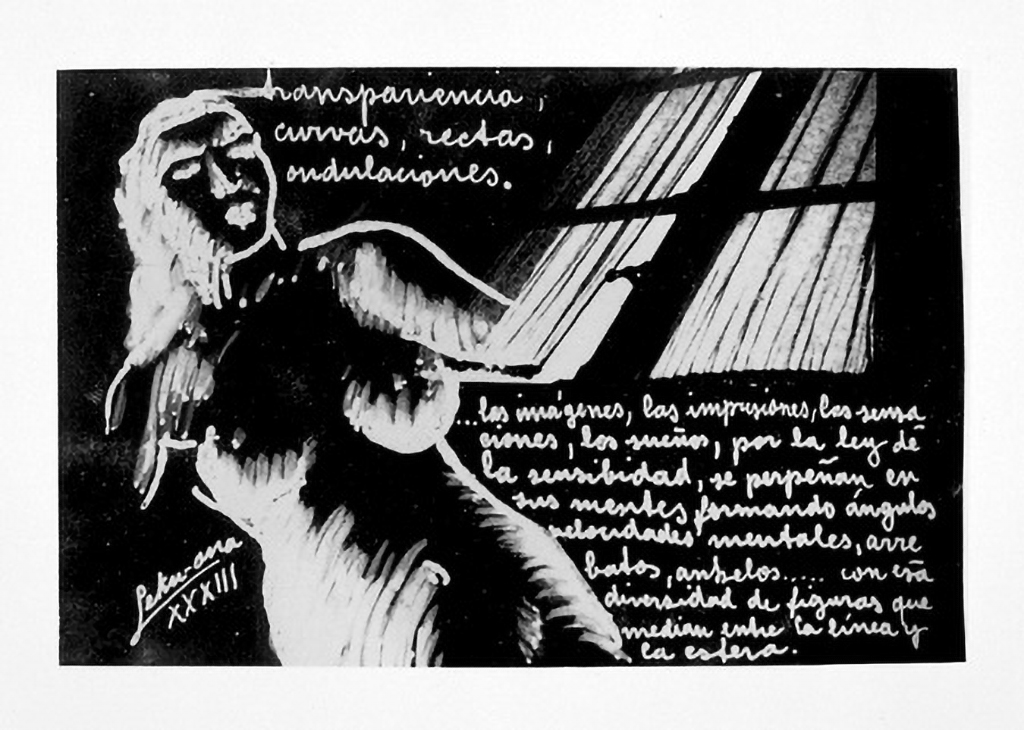
s/t 1933. Fotocalquídea 8´5x12´5 cm *

s/t 1933. Fotocalquídea 8´5x12´5 cm *

s/t 1933. Fotocalquídea 11´7x8´5cm *

s/t 1933. Fotocalquídea 11´7x8´5cm *

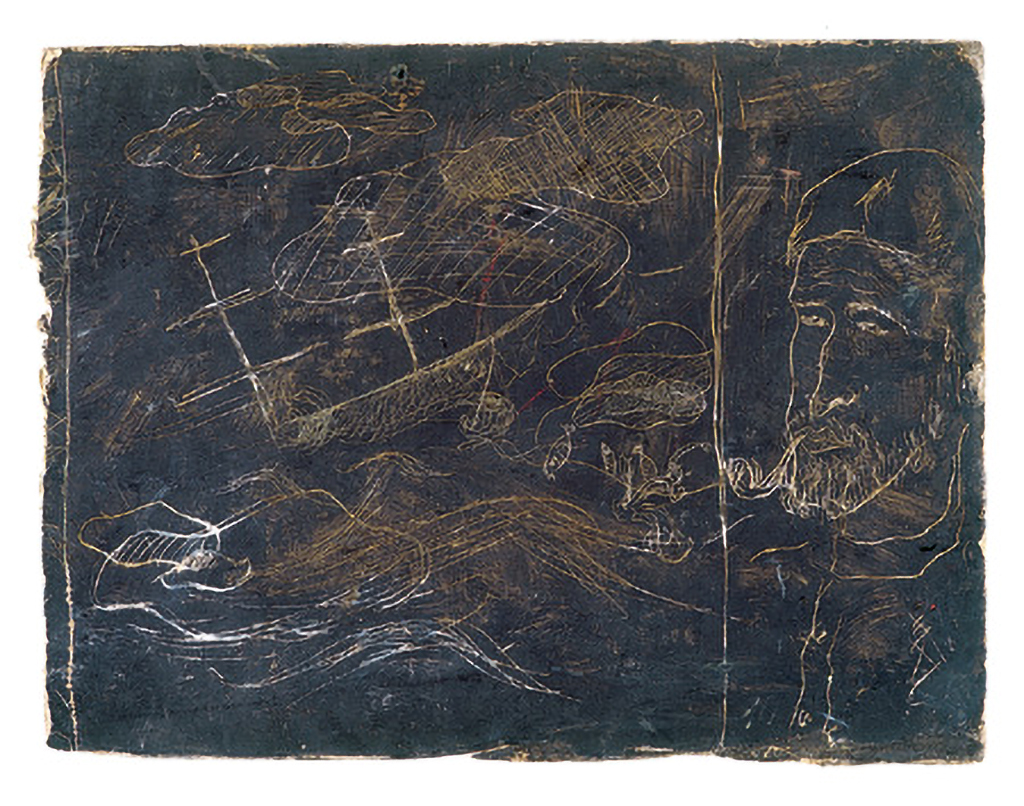
s/t 1936. Lápiz y cera/papel 26´2x18´6 cm *

s/t 1936. Lápiz y cera/papel 26´2x18´6 cm *

s/t 1936. Gouache/cartón 26´5x18 cm *

s/t 1936. Gouache/cartón 26´5x18 cm *

”Ritmo y armonía” 1932. Tinta azul/papel 10´1x13 cm *

”Ritmo y armonía” 1932. Tinta azul/papel 10´1x13 cm *

s/t hacia 1932. Tinta barrida/papel 11´8x7 cm *

s/t hacia 1932. Tinta barrida/papel 11´8x7 cm *

”Hecho en Pombo” 1933. Tinta barrida/papel 21x15 cm *

”Hecho en Pombo” 1933. Tinta barrida/papel 21x15 cm *

s/t 1933. Tinta negra/papel 43´8x16´4 cm *

s/t 1933. Tinta negra/papel 43´8x16´4 cm *

s/t 1936. Lápiz/papel 22x30´5 cm *

s/t 1936. Lápiz/papel 22x30´5 cm *

058

058

059

059

s/t 1934. Fotocalquídea (copia actual de positivo sobre acetato) 10x6´5 cm *

s/t 1934. Fotocalquídea (copia actual de positivo sobre acetato) 10x6´5 cm *

s/t 1933. Fotocalquídea (copia actual de positivo sobre acetato)10x6´5 cm *

s/t 1933. Fotocalquídea (copia actual de positivo sobre acetato)10x6´5 cm *

Fotocaldia 1933. Fotocalquídea (positivo original) 11´7x8´5 cm *

Fotocaldia 1933. Fotocalquídea (positivo original) 11´7x8´5 cm *

”Tartalo”

”Tartalo”

064

064

s/t 1933. Fotocalquídea (copia actual de positivo sobre acetato) 6x9 cm *

s/t 1933. Fotocalquídea (copia actual de positivo sobre acetato) 6x9 cm *

s/t 1934. Fotocalquídea 10x6´5 cm *

s/t 1934. Fotocalquídea 10x6´5 cm *

s/t 1933. Fotocalquídea (negativo fotográfico intervenido por el autor) 6´5x10 cm *

s/t 1933. Fotocalquídea (negativo fotográfico intervenido por el autor) 6´5x10 cm *

s/t. Negativo fotográfico intervenido por el autor 6´5x10 cm *

s/t. Negativo fotográfico intervenido por el autor 6´5x10 cm *

s/t 1933. Fotomontaje collage y tinta/papel 13´5x9 cm *

s/t 1933. Fotomontaje collage y tinta/papel 13´5x9 cm *

s/t 1933. Fotomontaje collage y tinta/papel 20´5x15 cm *

s/t 1933. Fotomontaje collage y tinta/papel 20´5x15 cm *

”... ellos, los detritus” 1933. Óleo y lápiz/cartón 72x101´5 cm *

”... ellos, los detritus” 1933. Óleo y lápiz/cartón 72x101´5 cm *

s/t 1934. Óleo/cartón 44´5x31 cm *

s/t 1934. Óleo/cartón 44´5x31 cm *

s/t 1934. Óleo y tierra/cartón pegado a tablilla 70´2x49´6 cm *

s/t 1934. Óleo y tierra/cartón pegado a tablilla 70´2x49´6 cm *

s/t adscrito a 1936. Óleo/tabla 78x107 cm *

s/t adscrito a 1936. Óleo/tabla 78x107 cm *

s/t 1932. Tinta lápiz y acuarela/papel 11x18 cm *

s/t 1932. Tinta lápiz y acuarela/papel 11x18 cm *

s/t 1936. Tinta lápiz y gouache/papel milimetrado 15´5x22´2 cm *

s/t 1936. Tinta lápiz y gouache/papel milimetrado 15´5x22´2 cm *

s/t 1936. Tinta lápiz y gouache/papel milimetrado 15´5x22´2 cm *

s/t 1936. Tinta lápiz y gouache/papel milimetrado 15´5x22´2 cm *

s/t 1936. Tinta y gouache/papel 11x15´7 cm *

s/t 1936. Tinta y gouache/papel 11x15´7 cm *

s/t 1936. Tinta lápiz y gouache/papel cuadriculado 15´5x20´7 cm *
s/t 1934. Lápiz/papel 15x20´7 cm *
s/t 1936. Tinta y lápiz/papel 15x21 cm *
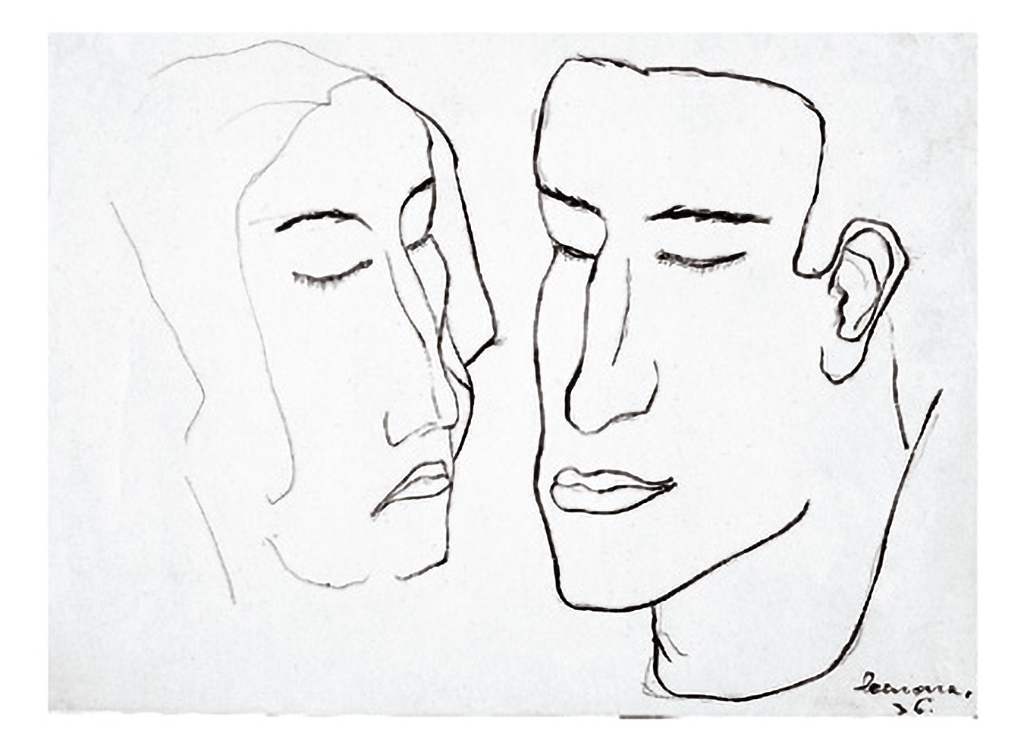
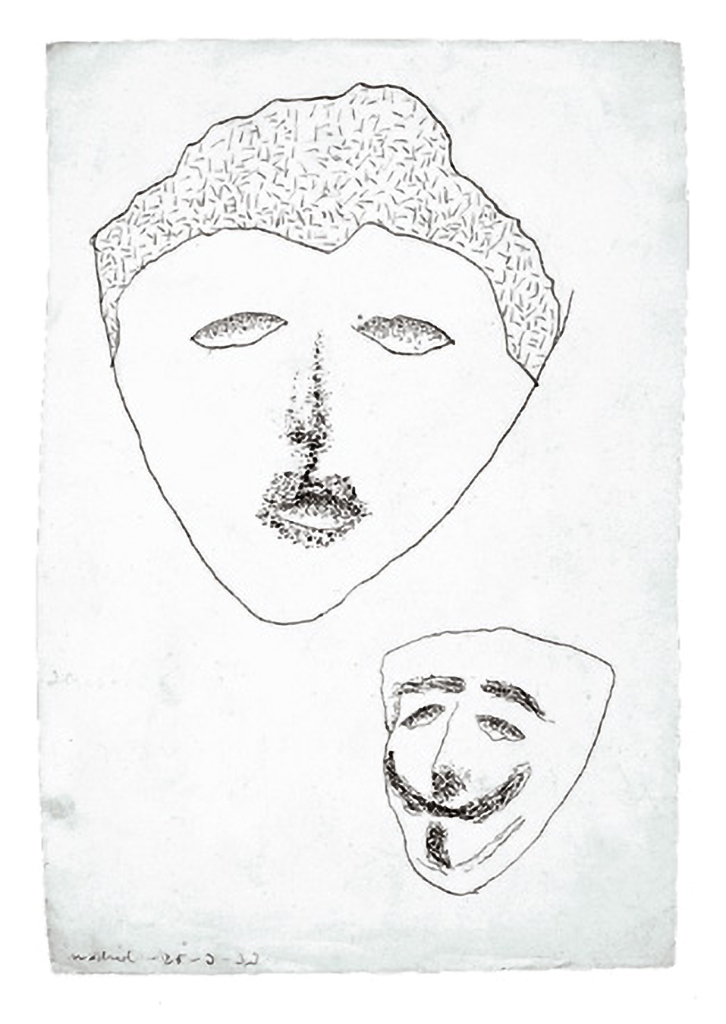
s/t 1934. Lápiz y cera/papel 22x16 cm *
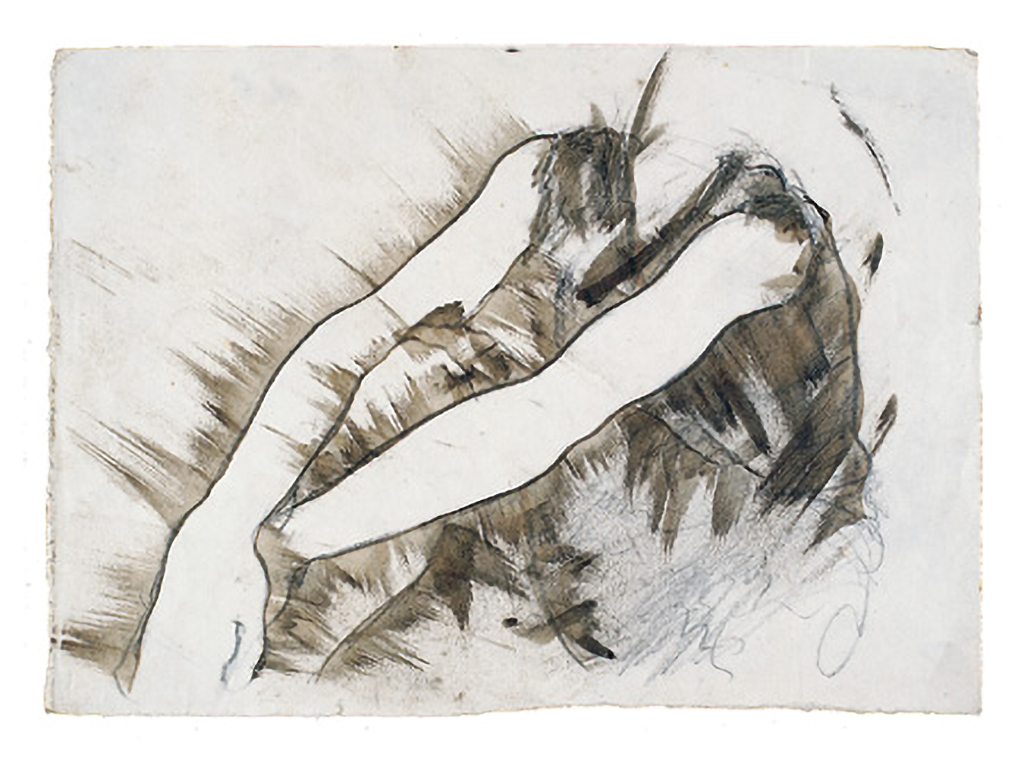
s/t -sin fecha-. Tinta barrida/papel 22x17 cm *
s/t adscrito a 1935. Óleo/tabla 48x62 cm Museo San Telmo
s/t 1936. Óleo/cartón 29x20 cm Colección Kutxa - Caja Guipúzcoa Donostia
Sin nombre 1